If you are tired of dragging out the ladder every fall, you are probably already asking how to choose gutter guards that actually help instead of creating a new headache. That is a fair question, especially here in Illinois where heavy rain, cottonwood fluff, maple seeds, and falling leaves can all hit the same gutter system in one season. A gutter guard should cut down on cleaning and help water move away from your home. It should not just look good on a flyer.
This is where many homeowners run into trouble. They shop by price alone, or they pick the first style they see online, without thinking about roof type, tree coverage, or how water behaves during a hard Chicagoland storm. The right guard depends on your house, not just the product name.
How to choose gutter guards without wasting money
The first thing to know is that no gutter guard is truly maintenance-free. If anyone says you will never have to look at your gutters again, that is a red flag. Guards can reduce cleanings and help keep larger debris out, but some buildup still happens over time. The goal is less work, better water flow, and fewer clogs.
Start by looking at the problem you are trying to solve. If your gutters mainly fill with big oak leaves, you need something different than a home that deals with pine needles, seed pods, or shingle grit. In many Chicago suburbs, homes get a mix of all three. That is why the best choice is usually the one that handles different debris sizes while still letting a lot of water through.
You also want to think about your roofline and gutter condition. A good guard will not perform well if the gutters are pitched wrong, pulling away from the fascia, or already undersized. Sometimes the real issue is not the guard. It is the system underneath it.
The main types of gutter guards
There are a few common styles, and each one has trade-offs.
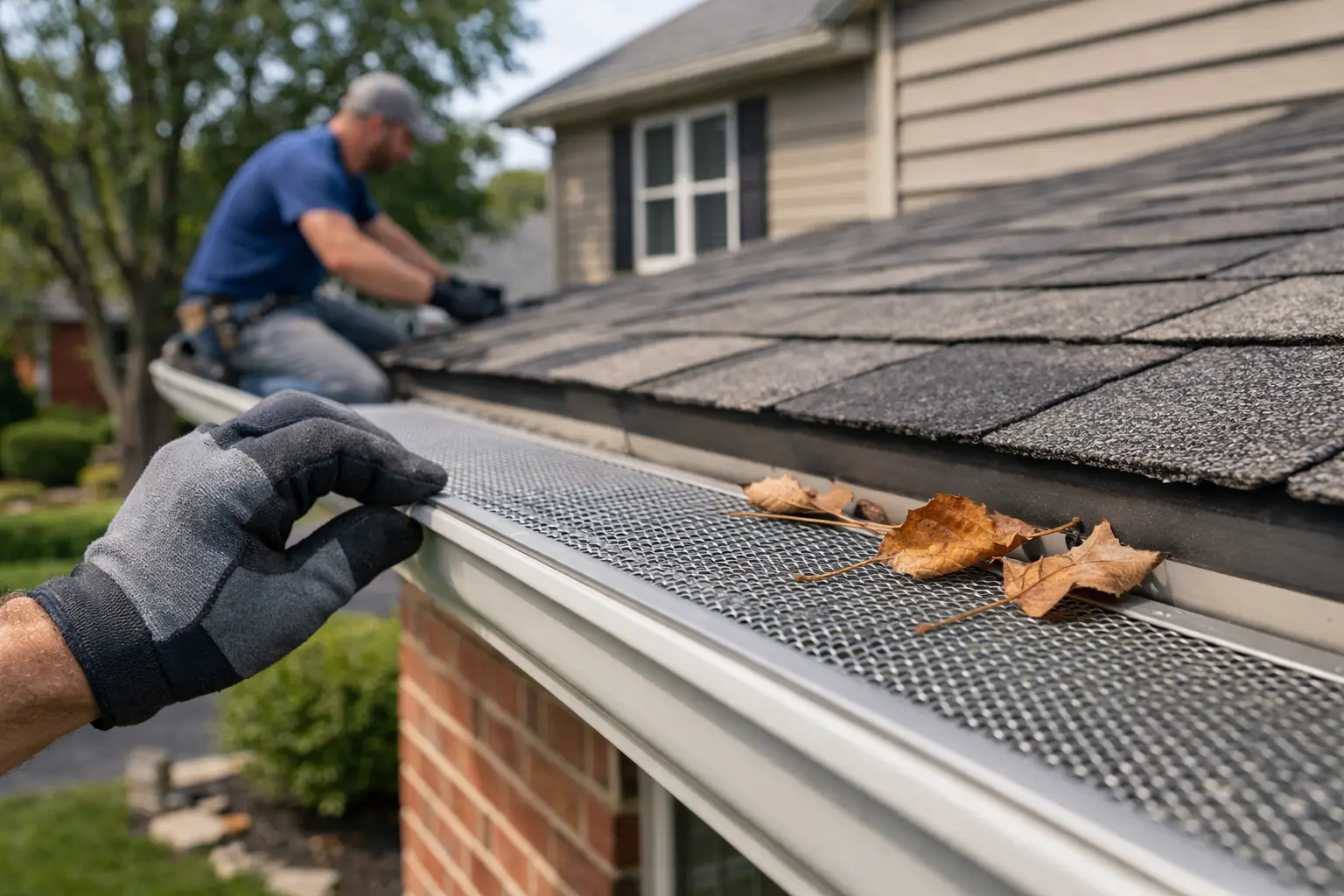
Screen gutter guards
These have larger openings and sit over the gutter to block leaves and bigger debris. They are often one of the more affordable options and can work well on homes with lighter leaf load. The downside is that smaller debris can still get through, and debris may sit on top of the screen instead of blowing off.
For some Illinois homes, this style is enough. For others, especially under heavy tree cover, screens can cut down on cleaning but not eliminate the need for it.
Mesh and micro-mesh gutter guards
These are designed with smaller openings, so they can block finer debris like maple helicopters, roof grit, and smaller leaf fragments. In areas with mixed debris, this is often the style homeowners are happiest with.
The catch is that not all mesh products are built the same. A low-quality mesh guard can clog at the surface or struggle during heavy rain if it is not installed correctly. A well-made micro-mesh system usually performs better, but installation details matter a lot.
Reverse curve or surface tension guards
These are built to let water wrap around the edge and flow into the gutter while leaves fall off the front. They can work in the right setup, but they are also more visible from the ground, which some homeowners do not like.
They can be sensitive to roof pitch and water volume too. In a strong storm, if the design is not matched well to the home, water can overshoot the gutter. In Illinois, this matters because summer downpours can be fast and heavy.
Foam inserts and brush-style guards
These sit inside the gutter and block debris from settling in the channel. They are usually cheaper up front, but they tend to be shorter-term solutions. They can hold moisture, break down, or collect debris on top.
For most homeowners looking for long-term value, these are usually not the first option I would point to.
What matters most for Illinois homes
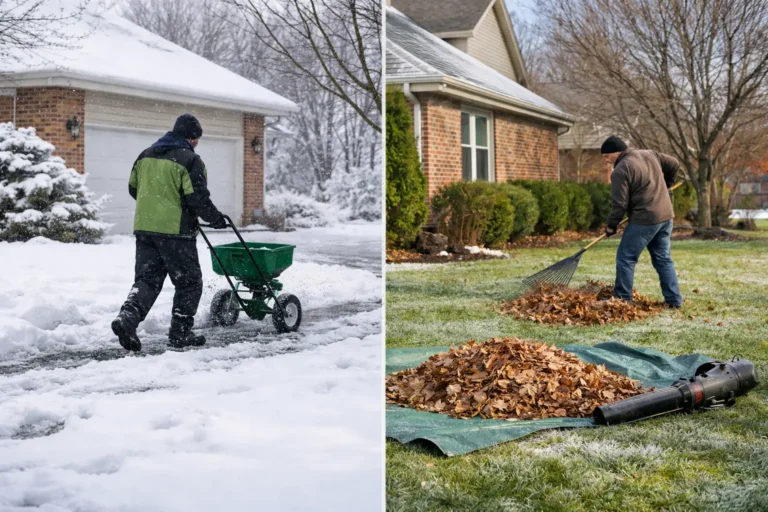
In the Chicago suburbs, weather puts extra pressure on gutter systems. We get spring storms, summer downpours, fall leaf drop, and winter freeze-thaw cycles. That means the best gutter guard is not just the one that blocks leaves. It also needs to handle real water volume and hold up through the seasons.
A guard that works in a mild climate may not be the best fit here. You want something that can shed debris reasonably well, resist rust and warping, and stay secure when temperatures swing. Snow and ice do not mean you should avoid gutter guards, but they do mean the guard needs to be solidly installed and matched to the gutter system.
If your home has large mature trees nearby, especially maples, oaks, or pines, that should drive the decision. The more tree coverage you have, the more important fine debris control becomes. If your roof sheds a lot of asphalt grit, that matters too.
Look at the whole drainage picture
One mistake homeowners make is treating gutter guards like a cure-all. They are only one part of water management.
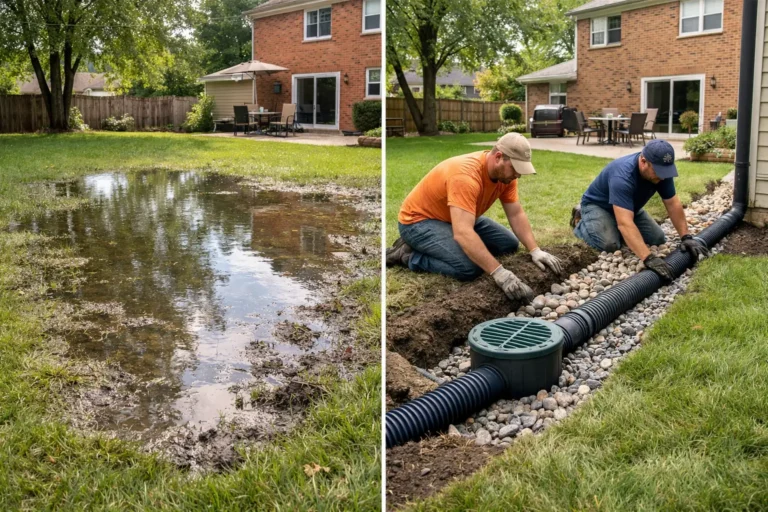
If your downspouts are undersized, your extensions dump water too close to the house, or your yard already has drainage issues, gutter guards alone will not solve the bigger problem. You do not want water sitting near your foundation. You also do not want overflow washing out mulch beds, making walkways slick, or turning parts of the yard muddy.
That is why it helps to look at the entire system. Are the gutters the right size? Are they sloped properly? Are the downspouts clear and carrying water away from the home? A good contractor should be willing to talk through that, not just sell the guard itself.
Questions to ask before you choose
If you are comparing options, ask simple questions in plain English. What kind of debris does this guard handle well? What kind of debris can still be a problem? Will it work with my roof and gutter style? How visible is it from the ground? What maintenance will still be needed?
Also ask how it is attached. A guard that is loosely installed or installed in a way that interferes with the roof edge can cause problems later. You want a secure fit that does not create new issues with drainage or appearance.
And ask whether your existing gutters are worth protecting in the first place. If they are old, sagging, or pulling apart, adding guards on top may not be the smartest investment.
Red flags to watch for
Be careful with big promises. If a product is sold as completely maintenance-free, clog-proof forever, or perfect for every home, slow down. Outdoor systems do not work that way.
Another red flag is when nobody asks about your trees, roof, or drainage issues. How to choose gutter guards should always start with the property, not a one-size-fits-all pitch. Homes in Downers Grove, Naperville, or other western suburbs can have very different needs depending on tree cover, roof lines, and water flow around the lot.
You should also be cautious if the quote only covers the guard and ignores the condition of the gutters. If the base system is weak, the guard will not fix it.
When a professional recommendation helps most
Some homes are straightforward. Others are not. If your house has multiple roof lines, steep sections, heavy tree cover, or recurring overflow near the foundation, it makes sense to get a professional opinion before choosing.
This is especially true if you have already dealt with basement moisture, landscape washout, or icy walkways from poor drainage. In those cases, gutter protection should be part of a bigger plan to move water away from the home safely.
A local contractor who works on gutters, drainage, and the overall exterior can usually spot things that a product-only salesperson may miss. That kind of advice tends to save money in the long run because it focuses on what your property actually needs.
At Revive Your Lawn, we see this a lot with Chicagoland homeowners. They are not just trying to keep leaves out of a gutter. They are trying to protect siding, foundations, planting beds, and the time they do not want to spend cleaning gutters every season.
The best choice is the one that fits your home
If you want the short version, choose a gutter guard based on debris type, water volume, gutter condition, roof layout, and local weather, not just price. For many Illinois homes, a well-installed mesh or micro-mesh system is a strong option, but that does not mean it is right for every house.
Here is what to look for: a guard that matches your gutter system, handles the kind of debris your property actually gets, and comes with a realistic explanation of what maintenance will still be needed. That is usually the sweet spot between cost, performance, and long-term value.
A good gutter guard should make life easier, help protect your home, and cut down on ladder time. If it also gives you one less thing to think about during a storm, that is usually a sign you picked the right one.