A front yard should feel welcoming, but that does not mean your front door, living room windows, and patio need to be on full display. For many Chicagoland homeowners, front yard privacy landscaping is the answer to a busy street, close neighbors, foot traffic, or a house that simply feels too exposed. The goal is not to build a green wall that makes your home look closed off. It is to create a comfortable buffer that still looks clean, adds curb appeal, and works through Illinois weather.
A good privacy plan starts with how you actually use the space. Maybe you want to soften the view from a sidewalk into your front windows. Maybe cars on a corner lot make the yard feel wide open. Or maybe you would like to sit on the front porch without feeling like you are part of the neighborhood traffic. Each situation calls for a different approach.
Start With What You Need to Screen
Before choosing shrubs, trees, or fencing, stand at the curb and look toward your house. Then stand at your front windows and look back out. Here is what to look for: the exact sightlines you want to block, how tall the screen needs to be, and whether you need privacy all year or mainly during the warmer months.
A low planting bed may be enough to cover the bottom half of a front window. A taller evergreen screen can help when a neighbor’s driveway looks directly into your home. If the issue is traffic noise or headlights, plants can soften the view, but they will not block sound the way a solid fence or wall can. Being clear about the real problem helps avoid spending money on landscaping that looks nice but does not do the job.
In the Chicago suburbs, it also pays to think about snow storage, plows, and salt spray near the street. A row of shrubs planted too close to a curb can struggle through winter, especially on a busy road. Good placement matters as much as the plant itself.
Front Yard Privacy Landscaping That Still Looks Inviting
Privacy and curb appeal should work together. A solid six-foot fence across the entire front yard may offer screening, but it can feel heavy and may not fit local rules. Many towns, homeowner associations, and corner-lot properties have restrictions on front-yard fence height and placement. Check those requirements before making a plan.
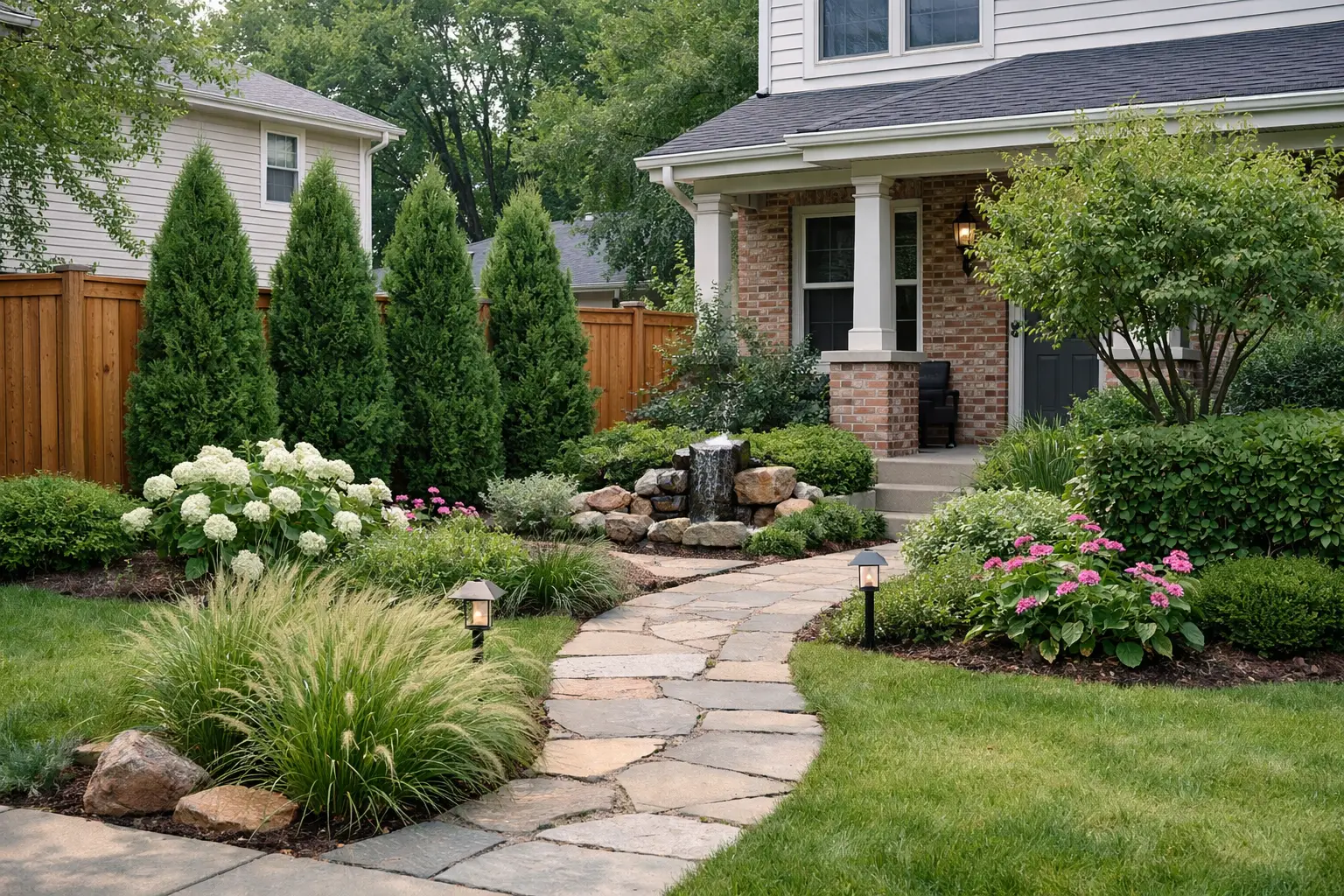
For most Illinois homes, layered landscaping creates a better result. That means using a mix of heights rather than one straight row of the same plant. Small ornamental trees or upright evergreens can create the taller backdrop. Flowering shrubs, medium evergreens, and grasses fill in the middle. Lower perennials, mulch, and stone edging keep the front of the bed finished and easy to maintain.
This approach gives you privacy without making the property feel boxed in. It also gives the yard more depth from the street. A front landscape should frame the home, not hide it.
Evergreen Screens for Year-Round Coverage
Evergreens are often the first choice when homeowners want consistent screening. They hold their foliage through winter, which matters when bare branches offer little privacy from November through early spring.
Arborvitae can work well in many suburban yards because they grow upright and provide a tidy green screen. However, they need the right spacing and regular watering while they get established. Planting them too tightly may look full on day one, but crowded plants can have airflow and health issues later.
Spruce and other larger evergreens may make sense for a deep lot or a wider side view, but they are not always right near a front foundation or narrow walkway. Their mature size needs to be part of the plan. This is where many homeowners run into trouble: a young plant looks manageable, then outgrows the space and blocks windows, gutters, or paths.
Deciduous Trees and Shrubs for a Softer Look
If full winter screening is not necessary, flowering trees and deciduous shrubs can create a softer, more natural front yard. They add seasonal color, texture, and shape while helping break up direct views during the months you spend the most time outdoors.
A small ornamental tree placed off-center can screen a window without covering the entire house. Grouped shrubs can make a porch or seating area feel more private while leaving open views of the entry. The best choice depends on sun exposure, soil, available space, and how much upkeep you want to take on.
Keep in mind that flowering plants are not a replacement for an evergreen screen when your main concern is year-round visibility. They are often best used as part of a mixed design.
Use Fences, Pergolas, and Hardscaping Where Plants Fall Short
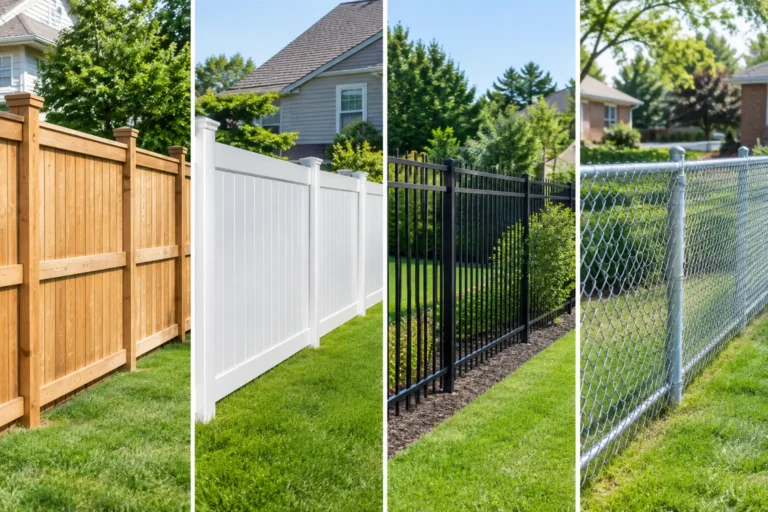
Plants are not always the complete solution. If you need immediate screening near a patio, porch, or side-facing window, a fence panel or decorative privacy section may be more effective. It gives structure right away while surrounding plantings soften the look over time.
A short decorative fence combined with layered shrubs is often more welcoming than a tall solid barrier. For a front sitting area, a pergola or well-placed landscape feature can create a sense of enclosure without shutting off the whole yard. The right hardscape element can also guide guests toward the front door and make the property feel more organized.
Walkways matter here, too. A paver path, clean edging, or defined planting bed can make a privacy project look intentional instead of patched together. A good landscape should look nice, but it also needs to work for daily life, package deliveries, guests, and winter shoveling.
Do Not Ignore Drainage and Foundation Space
In Illinois, this matters because our heavy rains, clay soil, and freeze-thaw cycles can turn a nice planting project into a drainage headache if the base work is skipped. You do not want water sitting near your foundation just because a new bed was built too high or grading was changed without a plan.
Before installing trees, shrubs, edging, or a fence, look at where water goes after a hard rain. Downspouts should move water away from the house. Planting beds should not trap water against the foundation. If a front yard stays soggy, plant health will suffer and muddy areas can become a regular frustration.
Sometimes the right answer is simple grading or a downspout extension. Other yards may need a more complete drainage solution. It depends on the slope, the soil, and where the water is coming from. Addressing that issue before the landscaping goes in protects both the new investment and the home.
Plan for Maintenance From Day One
There is no such thing as a truly maintenance-free privacy screen. Even low-maintenance landscaping needs watering while plants establish, seasonal cleanup, mulch refreshes, and occasional pruning. The key is choosing a design that fits the time you want to spend maintaining it.
A long row of fast-growing plants may need more trimming than a mixed bed with slower-growing shrubs and perennials. Dense plantings can also collect leaves and make it harder to reach windows, gutters, or utility equipment. Leave enough room for crews to work and for plants to grow naturally.
Landscape lighting is another useful finishing touch. Soft lighting along a walkway, near an entry, or around key plantings improves visibility and makes the front yard feel more finished after dark. It can highlight the parts of the landscape you enjoy without putting your whole property in the spotlight.
When It Makes Sense to Get a Professional Plan
A professional walkthrough is especially helpful if your front yard has standing water, a steep slope, mature trees, utility lines, tight property lines, or a screen that needs to meet local fence rules. These projects are easier when drainage, plants, lighting, walkways, and maintenance are considered together instead of added one piece at a time.
For Naperville-area homes, Downers Grove homeowners, and families across the western suburbs, Revive Your Lawn can help build a privacy plan around the way your property works now and the way you want it to feel. The right design should give you more comfort at home without creating more weekend work or future headaches.
Start by noticing the view you want to change. Once you know where privacy is needed most, the best solution usually becomes much easier to see.