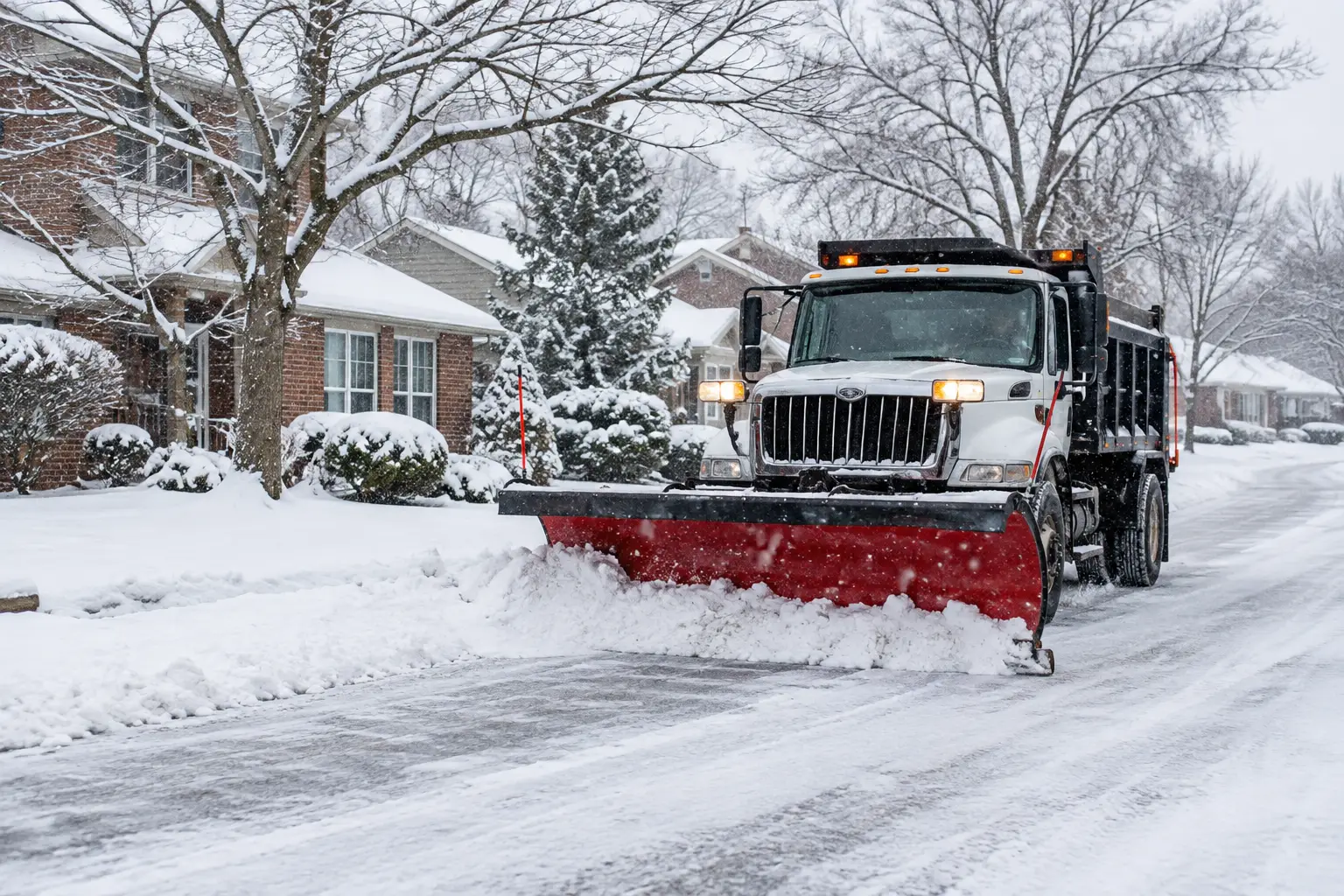
A Chicago-area snowstorm can turn a normal morning into a scramble before the coffee is even finished. The driveway is packed down, the front steps are slick, and the snowplow has left a heavy ridge at the curb. Reliable snow removal is not just about making a property look cared for. It helps people get out safely, keeps customers and deliveries moving, and saves homeowners from a long, exhausting shovel session in freezing wind.
For Chicagoland homeowners and commercial property owners, winter planning is usually easier when it happens before the first major storm. Here is what to look for and how to decide what kind of service makes sense for your property.
Why Snow Removal Matters in the Chicago Suburbs
In Illinois, winter weather rarely follows a neat schedule. A light overnight snowfall may be easy to handle. Then the next storm brings wet, heavy snow, blowing drifts, freezing rain, or a quick drop in temperature that turns slush into a sheet of ice.
This is where many homeowners run into trouble. Clearing only the center of the driveway may get a car out, but it can leave narrow, slippery paths near the garage, mailbox, steps, and sidewalk. Those are the areas people use on foot, often while carrying kids’ backpacks, groceries, or trash bins.
For businesses, the stakes are even higher. A poorly cleared entrance can make a bad first impression, create access problems for employees and customers, and add unnecessary slip-and-fall risk. A clean lot and clear walkway tell people the property is being looked after, even in the middle of a rough winter week.
Good service also protects your time. Many busy families in Naperville, Downers Grove, and nearby western suburbs do not want to spend every snowy morning watching the forecast, moving vehicles, and wrestling with a snowblower. They want to know the property will be addressed so they can focus on work, school, and getting where they need to go.
What Professional Snow Removal Should Include
Not every property needs the same plan. A short suburban driveway needs a different approach than a corner lot with a long sidewalk, and neither looks like a commercial site with parking areas and several entrances. Still, dependable snow service comes down to a few basics: timing, access, clear communication, and attention to the areas where people actually walk.
Driveways, Parking Areas, and Access Lanes
The main goal is simple: create usable access without pushing snow where it causes a new problem. On a residential property, that means keeping the drive open while being thoughtful around garage doors, parked cars, landscaping edges, and the street.
On commercial properties, plow placement matters even more. Snow piles should not block sightlines at entrances or intersections. They also should not take up the most useful parking spaces or interfere with dumpster access, loading areas, and fire lanes. When snow keeps piling up over several storms, a property may need snow moved or relocated rather than simply pushed farther back.
Walkways, Steps, and Entry Areas
A plowed driveway is only part of the job. Front walks, side gates, stoops, and entry paths deserve equal attention because they are where footing matters most. Snow should be cleared wide enough for normal use, not just carved into a narrow trail that becomes difficult to navigate after refreezing.
For Illinois homes with paver walkways or decorative concrete, careful work matters. Aggressive scraping can damage edges, catch a raised paver, or leave ugly marks. A crew should understand the difference between clearing snow efficiently and treating every surface like a plain asphalt lot.
Ice Control When Conditions Call for It
Salt and ice melt are useful, but they are not magic. They work differently depending on temperature, sun exposure, traffic, and whether the surface has already been packed down. A shaded north-facing walkway in a Downers Grove neighborhood can stay icy long after the rest of the property looks clear.
The right ice-control plan depends on the site. High-traffic entrances may need more attention than a rarely used side path. Homes with pets, sensitive landscaping, or certain hardscape materials may also benefit from discussing product choices ahead of time. The goal is safer traction, not dumping material everywhere and hoping for the best.
Snow Removal Starts Before the Storm
The best time to prepare is when the grass is still visible. Before winter, take a walk around your property and look for anything a plow operator or shovel crew needs to know about. Low landscape lights, decorative boulders, edging, sprinkler heads, paver borders, and drain covers can all be hidden quickly after the first few inches of snow.
Marking vulnerable areas with visible stakes can help. It is also smart to decide where cars will be parked during service. If vehicles block the driveway, crews may have limited room to clear the areas you care about most. For commercial sites, make sure the provider knows which doors open early, where deliveries arrive, and which routes need to remain accessible.
Communication matters just as much as equipment. Ask how storm updates are handled, what triggers a visit, and whether service includes sidewalks or only plowing. A clear plan prevents the frustrating situation where a homeowner assumes one thing and the crew has been assigned another.
Choosing the Right Snow Service for Your Property
There is no one-size-fits-all answer. Some homeowners only need help after larger storms, while others prefer seasonal service so they do not have to make decisions every time the forecast changes. The right choice depends on your schedule, property layout, physical ability, and how important early-morning access is to your household.
If you travel often, have a long drive, or need to leave before sunrise, a standing plan can bring real peace of mind. If you work from home and have a small, straightforward property, service after major snowfalls may be enough. Be honest about what you can safely handle yourself. Heavy wet snow is hard on backs, shoulders, and hearts, especially when it is piled at the end of the driveway by a municipal plow.
For commercial owners and managers, reliability should carry more weight than a vague promise to show up eventually. Ask whether the company has enough equipment and crew capacity for widespread storms. Ask how they prioritize properties and who you can contact if conditions change. Winter service is one of those areas where responsive communication makes a major difference.
Common Problems to Avoid After Plowing
The biggest issue is often the snow ridge at the end of the driveway. It is frustrating, but it is also common after street plows pass. If possible, clear a small area just to the side of your driveway opening before the municipal truck comes through. That can give the displaced snow somewhere to go and reduce the size of the final pile. It will not eliminate it every time, especially in a heavy storm, but it can help.
Another problem is waiting too long to address packed snow. Once tires and foot traffic compress it, it can freeze solid and become much harder to remove. Fresh snow is usually easier to clear than a rutted layer that has thawed and refrozen overnight.
Finally, do not overlook drainage. Snowbanks melt eventually, and that water has to go somewhere. If your yard already has low spots or water collects near the foundation, spring thaw can expose a bigger issue. You do not want water sitting near your foundation, pooling on a walkway, or refreezing at the bottom of the drive. Snow service and drainage planning often go hand in hand for Illinois homes.
A Safer, Easier Winter Starts With a Plan
Winter will always bring a few surprises across Chicagoland. But the property owners who have a clear plan usually have fewer stressful mornings when the snow starts falling. At Revive Your Lawn, we look at the whole exterior picture, from safe access today to the drainage and landscape details that matter when the thaw arrives.
Before the next storm, take five minutes to walk your driveway and entry paths. Notice where snow piles up, where ice tends to form, and what needs to stay open. That small bit of planning can make the next Illinois winter feel a lot more manageable.