A good yard should not feel like another full-time job. For Chicagoland homeowners, the work changes fast with the weather: spring thaw exposes drainage problems, summer growth gets ahead of you, fall leaves pile up, and winter brings snow and ice. This landscape maintenance guide lays out what to watch for so your property stays clean, safe, healthy, and enjoyable through every Illinois season.
Start With What Your Property Needs Most
Every yard has a different priority. One homeowner may need help keeping lawn edges neat and shrubs under control. Another may have a muddy backyard, water near the foundation, cracked pavers, or a dark walkway that feels unsafe after work. A good landscape should look nice, but it also needs to work.
Before building a maintenance plan, take a walk around your property after a hard rain and again during dry weather. Look for standing water, bare lawn areas, low spots, overgrown bushes, leaning edging, clogged gutters, and places where mulch has washed away. These are not always separate issues. For example, a wet lawn may be caused by poor grading, a buried downspout outlet, compacted soil, or runoff from a neighbor’s property.
This is where many homeowners run into trouble. They keep adding seed, mulch, or new plants without fixing the reason the area is struggling. Start with the underlying issue, then maintain the finished space.
A Seasonal Landscape Maintenance Guide
In the Chicago suburbs, timing matters. Our freeze-thaw cycles, heavy spring rain, humid summers, falling leaves, and snow all put different pressure on a property. Trying to do everything at once usually leads to missed details. Breaking work into seasons makes the job more manageable.
Spring: Clean Up and Check for Winter Damage
Spring is the time to clear what winter left behind. Remove fallen branches, leftover leaves, and debris from landscape beds before new growth starts. A clean bed lets air and water reach the soil, and it makes it easier to spot damaged plants or drainage concerns.
Walk the lawn when the ground is firm enough to avoid making ruts. Check for snow mold, thin turf, salt damage along driveways and sidewalks, and low areas that stay soft or soggy. If water is sitting near the foundation, do not wait until summer to address it. You do not want water sitting near your foundation, especially during a wet Illinois spring.
Spring is also a good time for core aeration when the lawn needs help. Aeration removes small plugs of soil so water, air, and nutrients can move down to the roots. It can be useful for lawns that see a lot of foot traffic, clay-heavy soil, or recurring thin patches. Dethatching may help too, but it depends on the lawn. Not every yard needs both services every year.
Summer: Keep Growth Under Control
Summer maintenance is mostly about consistency. Regular mowing, trimming, edging, and weed control keep the property looking cared for instead of overgrown. Mow often enough that you are not taking off too much grass blade at once. Cutting a lawn too short can stress it during hot, dry stretches and give weeds more room to take over.
Watering is another area where more is not always better. A deep, less frequent watering schedule is generally better for established turf than quick, shallow watering every day. But newly installed sod, fresh plantings, and shaded areas need a different approach. Watch the soil and the plant, not just the calendar.
Summer is also when small maintenance problems become visible. Bushes block windows, tree limbs hang over walkways, mulch thins out, and paver joints may start to wash out. Keep plants trimmed back from siding, air-conditioning equipment, and paths. This improves the appearance of the home while helping air move around the structure.
Fall: Prepare the Yard for Winter
Fall is one of the most valuable seasons for lawn and landscape care in Illinois. Cooler temperatures give grass a chance to recover from summer stress, and plants have time to settle before winter. Aeration and overseeding often make sense in fall, particularly for lawns with thin areas or heavy use from kids and pets.
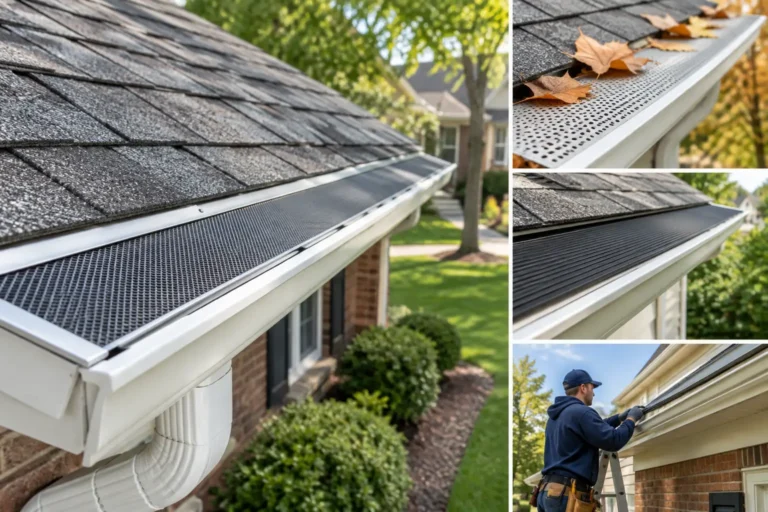
Leaf cleanup matters more than many people think. A heavy layer of wet leaves can smother turf, hold moisture against plants, and clog drains or gutters. Clearing leaves before they become matted helps protect the lawn and keeps water moving where it should.
This is also the time to cut back dead material where appropriate, remove annuals, inspect hardscape areas, and make sure downspouts are directing water away from the house. If you have landscape lighting, test it before the days get shorter. A well-lit front walk and driveway make a real difference during dark fall evenings.
Winter: Protect the Property and Plan Ahead
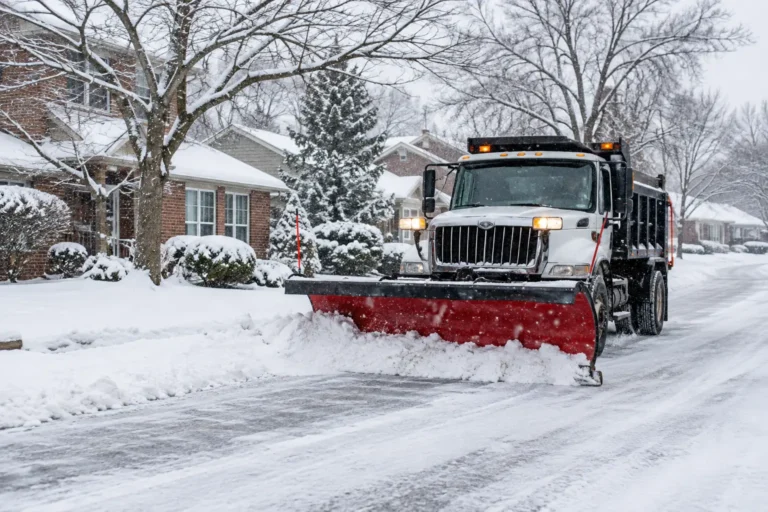
Winter maintenance is less about growing things and more about safety and protection. Keep snow and ice managed on driveways, sidewalks, steps, and high-traffic areas. For homes with paver walkways or decorative concrete, use ice-control products carefully. Some materials can be tough on surfaces and nearby grass or plants.
Do not pile heavy snow on shrubs, small trees, or areas where you expect spring drainage to be a concern. When the thaw comes, that snow has to go somewhere. If your yard regularly turns into a muddy mess after snowmelt, take photos and notes. Those details help identify whether you need a drainage solution, grading adjustment, or a better way to move downspout water.
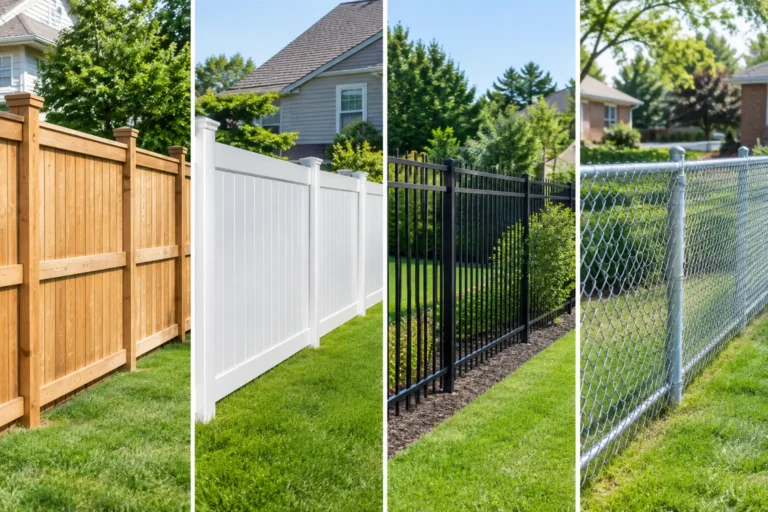
Winter is also a practical time to plan bigger improvements. If you have been thinking about a patio, walkway, fence, pergola, drainage system, or permanent outdoor lighting, planning before the busy spring season gives you time to make good decisions without rushing.
Do Not Treat Drainage as a Separate Problem
For many Naperville-area homes and properties throughout the western suburbs, drainage is part of landscape maintenance. It affects lawn health, plant survival, hardscape stability, and the condition of your foundation.
Here is what to look for: puddles that remain more than a day after rain, mulch that keeps washing out, grass that dies in one low spot, muddy paths near gates, downspouts that empty too close to the home, or water backing up near patios and walkways. These signs do not automatically mean you need a major project. Sometimes a downspout extension, catch basin, regrading, or targeted drain line is enough. Other properties need a more complete plan.
The key is not to cover a water problem with fresh mulch and hope it goes away. Address the water first. Your landscaping will last longer and be easier to maintain afterward.
Keep Maintenance Realistic for Your Schedule
There is nothing wrong with enjoying yard work. But busy families should not feel guilty when they cannot spend every Saturday mowing, trimming, hauling branches, and cleaning beds. The best maintenance plan is one you can actually keep up with.
For some homeowners, that means handling a few small tasks and bringing in help for weekly mowing, spring and fall cleanups, aeration, shrub trimming, or snow removal. For others, a recurring maintenance plan saves time and keeps the property consistently presentable. Commercial properties especially benefit from a dependable schedule because customers, tenants, and employees notice the outside of the building first.
When you choose help, look for clear communication, clean crews, and someone who asks questions about the whole property. A crew should notice if a bed is washing out, a walkway is becoming uneven, or water is creating a problem near the house. Those observations can prevent a small issue from becoming a larger repair.
Small Details That Make a Yard Look Cared For
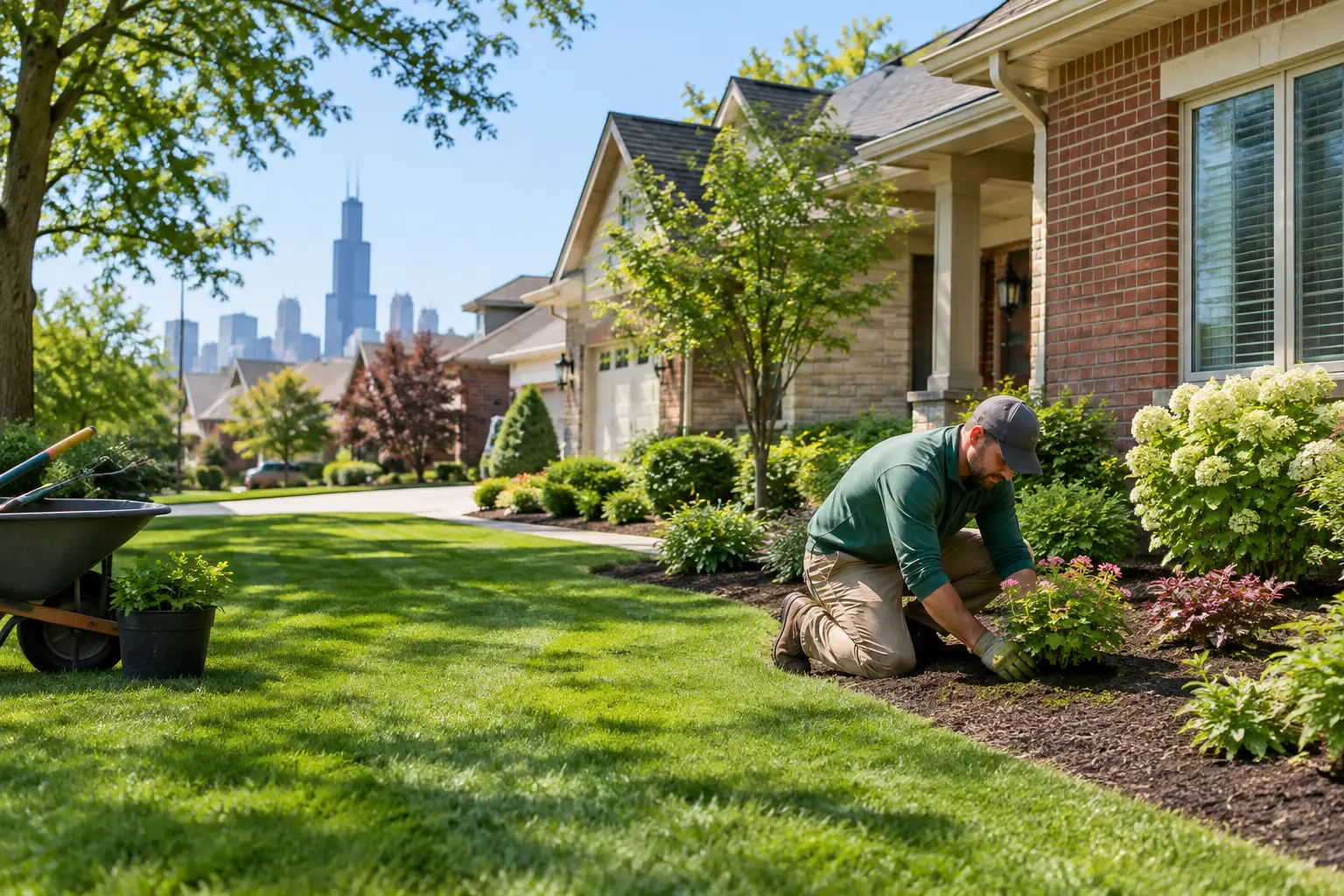
A clean edge between lawn and landscape beds, neatly trimmed shrubs, fresh mulch at the right depth, and a swept walkway can change the entire look of a home. These are simple details, but together they create curb appeal.
The goal is not to make every yard look identical. Some homes need a simple, low-maintenance setup. Others have larger beds, mature trees, outdoor living areas, or more formal front landscaping. The right plan fits the home, how the family uses the yard, and how much care the space realistically needs.
If you are unsure where to begin, start with the issue that affects your daily life most: the muddy backyard, the overgrown front beds, the dark front walk, or the weekend work that never seems to end. At Revive Your Lawn, we believe a well-maintained property should give you more time to enjoy your home, not more reasons to worry about it.