
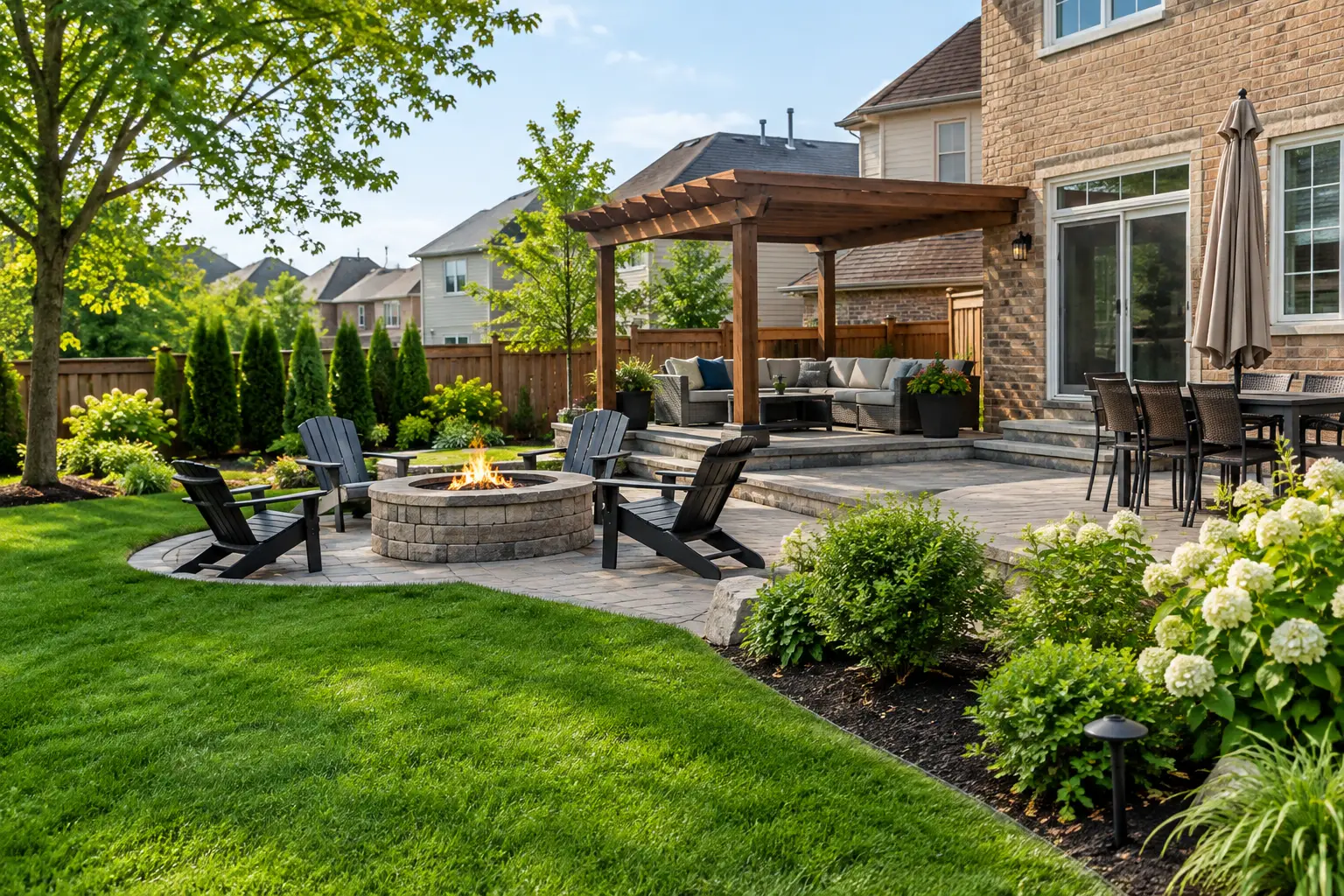
A backyard should not be the part of the property you avoid after a hard rain or put off showing guests. Good backyard landscaping Chicagoland homeowners can count on does more than add fresh mulch and a few shrubs. It gives your family usable space, moves water away from the house, improves safety after dark, and makes weekend maintenance easier.
In the Chicago suburbs, a backyard has to work through a lot. Spring thaw can leave low spots muddy. Summer storms can send water toward patios and foundations. Fall brings leaves, and winter freeze-thaw cycles can be hard on pavers, edging, and poorly installed drainage. A good landscape should look nice, but it also needs to work.
Start With How You Want to Use the Yard
Before choosing plants, pavers, or lighting, take a walk through the yard and think about what is not working now. Maybe the kids have worn a muddy path between the patio and playset. Maybe you have a beautiful deck but no real place to sit in the yard. Maybe the back door opens onto standing water every time it rains.
This is where many homeowners run into trouble. They choose materials first, then try to force them into a yard with drainage issues, awkward traffic paths, or too little usable space. It usually works better to begin with the purpose of the yard.
For some Naperville-area homes, that means adding a paver patio where the family can eat outside without dragging lawn chairs through wet grass. For others, it means a walkway from the driveway to the backyard gate, a defined fire pit area, or planting beds that give a plain fence line some privacy. The right plan depends on your lot, your budget, and how your household actually spends time outside.
A simple question helps: Where do people naturally walk, sit, play, and carry things? Those patterns should guide the design.
Handle Drainage Before the Pretty Stuff
If water pools near your foundation, patio, or back door, drainage should be part of the first conversation. You do not want water sitting near your foundation, and you do not want a new landscape installation covering up a problem that will return after the next big storm.
In Illinois, this matters because our soil can hold water, our yards often have subtle grading changes, and intense rain can expose problems quickly. A low spot in the lawn may look minor in July, but it can become a muddy mess during spring rain or snowmelt.
The solution may involve reshaping part of the yard so water drains in the right direction. It could include a buried drainage line, a catch basin in a low area, or a dry creek bed that gives runoff a planned route while still looking natural. Downspouts matter too. If they empty right beside the house, that water needs a better place to go.
There is no one drainage fix for every yard. That is why a proper site visit is worth it. The slope, soil, roof runoff, neighboring properties, and existing hardscape all affect the plan. Getting this part right protects the work that comes next.
Build Outdoor Spaces for Illinois Weather
A patio, walkway, pergola, or retaining feature can change how a backyard feels. It can turn a patch of grass into a place where people want to spend time. But hardscaping needs a solid base and thoughtful placement, especially in Chicagoland where freezing and thawing can shift materials over time.
Paver patios are popular because they offer a finished look and work well for outdoor dining, grilling, and seating areas. They also give homeowners options in color, shape, and layout. Natural stone can create a more classic look, while simpler paver patterns can feel clean and modern. The best choice comes down to the style of the home, how the space will be used, and how much maintenance you are comfortable with.
A pergola can add structure and shade without closing off the yard. It works especially well over a patio or near a seating area. Keep in mind that a pergola does not solve every sun or privacy concern on its own. Its location, direction, and nearby trees all make a difference.
For Downers Grove homeowners with a sloped backyard, retaining walls or stepped patio areas may create usable space that was not there before. On a flatter lot, a simple patio extension and a well-placed walkway may deliver more day-to-day value. Bigger is not always better. The space should fit the yard and feel connected to the house.
Use Plants to Frame the Yard, Not Create More Chores
Plants bring a backyard to life, but an overloaded planting plan can become another item on a busy family’s weekend list. The goal is not to fill every open area. It is to create shape, color, privacy, and seasonal interest without making the yard harder to manage.
Foundation plantings, bed borders, and screening along a fence can make a big difference. In the western suburbs, we often recommend choosing plant material that can handle local winters, summer heat, and normal Illinois rainfall swings. The right mix may include hardy shrubs, ornamental grasses, perennials, and trees selected for the size they will reach over time.
That last part is easy to overlook. A small shrub can look great on installation day but crowd a walkway or block a window a few years later. Proper spacing keeps beds healthier and gives the finished landscape a cleaner look.
Mulch beds also need clear edging. Without it, mulch drifts into the lawn, grass creeps into the bed, and the whole area starts looking untidy. Clean lines are one of the simplest ways to make a property look cared for.
Add Lighting Where It Improves Safety and Enjoyment
Landscape lighting is often one of the most noticeable upgrades after the sun goes down. It can make steps, walkways, and patio edges easier to see while giving the backyard a warm, finished look.
The best lighting is not about making the yard look overly bright. It is about putting light where it helps. Path lights can guide guests from the driveway or gate. Low lighting near steps can reduce trip hazards. Uplighting can bring attention to mature trees, stonework, or the architecture of the home.
A few well-placed fixtures usually look better than too many. You also want equipment that is installed carefully, with wiring protected and fixtures positioned so they are not shining directly into windows. For homeowners who enjoy hosting, lighting can extend the usable time on the patio well into the evening.
Plan for the Work After Installation
A backyard project should make property care easier, not leave you with more to keep up with. Before the job starts, ask what regular maintenance will look like for the lawn, beds, trees, shrubs, and hardscape.
New sod needs attention while it establishes. Plant beds need seasonal cleanup, pruning, and mulch refreshes. Paver patios benefit from occasional inspection and cleaning. Drainage systems should stay clear of leaves and debris so they can do their job when rain arrives.
For busy homeowners, it makes sense to have one dependable local company handle the full picture instead of coordinating separate crews for mowing, cleanup, drainage, lighting, and seasonal work. Revive Your Lawn helps Chicagoland property owners plan improvements that fit the yard today and remain practical to care for in the years ahead.
A Better Backyard Starts With an Honest Walkthrough
The best backyard landscaping plan is not always the one with the most features. It is the one that solves the problems you notice every week and gives you a space you will actually use. Maybe that starts with drainage and grading. Maybe it is a safer walkway, a patio for family dinners, or plantings that finally give the yard some definition.
Walk your property after a rain, stand at the back door, and take note of where the yard feels unfinished or inconvenient. Those details are usually the right place to begin.


