A lot of homeowners install gutter guards for one reason – they are tired of cleaning out gutters every fall. Then a season or two goes by, water starts spilling over the edge, and the big question comes up: can gutter guards clog? Yes, they can. They usually do not clog the exact same way open gutters do, but they can still collect debris, slow water flow, and create overflow problems if the guard type is wrong or the system is not maintained.
This is where many homeowners run into trouble. Gutter guards are helpful, but they are not magic. In the Chicago suburbs, where we deal with heavy spring rain, maple seeds, summer storms, and a lot of falling leaves in autumn, even a good gutter protection system still needs attention.
Can gutter guards clog in real-world conditions?
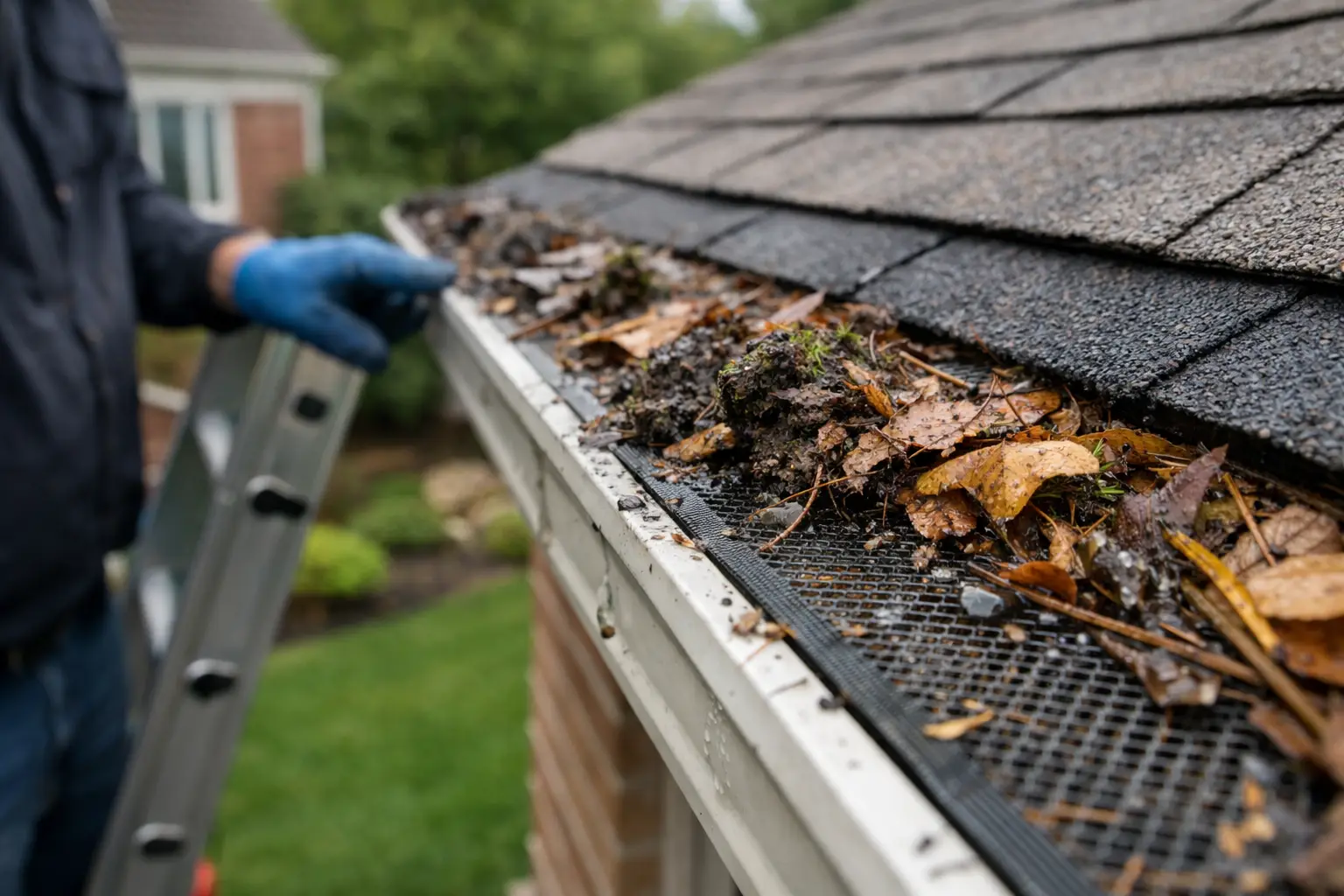
They can, and in Illinois, the reason is usually buildup on top of the guard or at key choke points. Instead of leaves packing down inside the gutter trough, debris often sits on the screen, gets stuck in corners, or piles up near downspouts. Water may still get in for a while, but once that flow slows down, you can end up with overflow.
That overflow is the part homeowners should care about most. The problem is not just a messy gutter line. Water spilling over can soak mulch beds, beat up foundation plantings, stain siding, and pool near the base of the house. You do not want water sitting near your foundation.
A good gutter guard lowers maintenance. It does not eliminate it.
Why gutter guards still clog
The short answer is that gutter guards only work as well as the debris around your home, the roofline they are attached to, and the quality of the installation. A guard might stop big leaves, but smaller debris can still cause issues.
Small debris is a big problem
Pine needles, helicopter seeds, oak tassels, roof grit, and small leaf fragments are common troublemakers. Some guards keep out large leaves but let fine material work its way through. Over time, that debris can collect inside the gutter and especially in the downspouts.
Other systems block most debris from getting inside, but that same material can form a mat on top. Once that layer gets wet and packs down, rainwater may skim right over the edge instead of draining in.
Downspouts are often the hidden clog point
Sometimes the gutter guard is doing its job reasonably well, but the real blockage is below. If the downspout opening gets packed with shingle grit, twigs, seed pods, or sludge, water backs up fast. Homeowners often assume the guard failed, when really the water has nowhere to go.
This matters on two-story Illinois homes where you may not notice the problem until a heavy rain exposes it.
Roof valleys dump too much water in one spot
If your roof has valleys, those areas send a lot of water into a short section of gutter. Even a decent guard can struggle there. During a hard storm, water can overshoot the opening or force debris into one concentrated area.
This is common on larger suburban homes where rooflines are more complex. A guard that works fine on one side of the house may struggle on another.
Installation matters more than many people think
A poorly pitched gutter, loose sections, incorrect guard fit, or gaps at edges can all create clogging and overflow issues. Sometimes the product is not the real problem. The setup is.
Here’s what to look for. If one section always spills over, or if debris keeps collecting in the same place, that usually points to a design or installation issue, not just normal wear.
The signs your gutter guards may be clogging
You do not have to wait for a total blockage to know something is off. Most systems show warning signs first.
Water pouring over the front edge during rain is the most obvious one. You may also notice debris sitting on top of the guard for weeks at a time, plants or weeds starting to grow in the gutter line, staining on fascia boards, or soggy soil directly below one section of roof.
In winter, problems can get worse. In Chicagoland, trapped debris and standing water can contribute to ice buildup. That extra weight and freezing cycle put more stress on the gutter system. What starts as a small clog in fall can turn into a bigger repair by late winter.
Which gutter guards clog the most?
No single type is perfect for every house. That said, some styles tend to struggle more in certain conditions.
Basic screen guards can work okay for larger leaves, but they often allow small debris through or collect buildup on top. Mesh systems usually do a better job with finer debris, but even they can clog if the openings get coated with grit and organic matter. Reverse curve styles can work well in some setups, but they may overshoot during heavy rain if the roof pitch and water speed are not a good match.
This is why one homeowner says their guards work great and another says they were a waste of money. It depends on the trees, the roof, the water volume, and how the system was installed.
In the western suburbs, tree cover plays a huge role. A home surrounded by mature oaks and maples has a different debris load than a newer subdivision with fewer large trees. The right answer is not always the same from house to house.
Can clogged gutter guards damage your home?
Yes, and this is the part that matters more than the guard itself. Gutters are there to move water away from your house. If they cannot do that, water starts going where it should not.
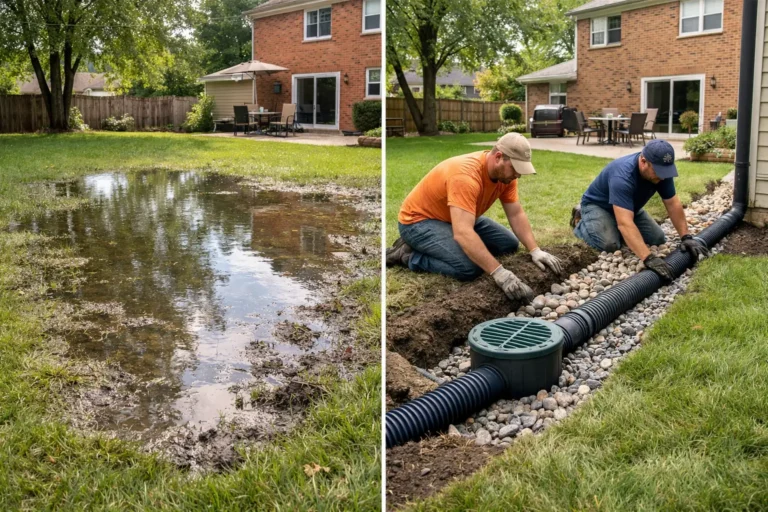
That may mean erosion in your beds, muddy areas near entry walks, staining on brick or siding, and extra moisture around the foundation. If you already have yard drainage problems, bad gutter flow makes them worse. A good landscape should look nice, but it also needs to work. If roof runoff is dumping in the wrong place, it can undo a lot of the work you put into the outside of your home.
For some homeowners, the first sign is not the gutter. It is a low, soggy spot in the yard, mulch washing out, or water near the basement wall after storms.
How to keep gutter guards from clogging
The best approach is simple: choose the right product, make sure it is installed correctly, and check it periodically. Even with guards, some maintenance is still part of protecting the home.
If trees hang over the roof, trimming them back can reduce how much debris hits the gutter line. Seasonal inspections help catch buildup before it becomes a full blockage. It also helps to keep downspouts clear and make sure they discharge far enough away from the house.
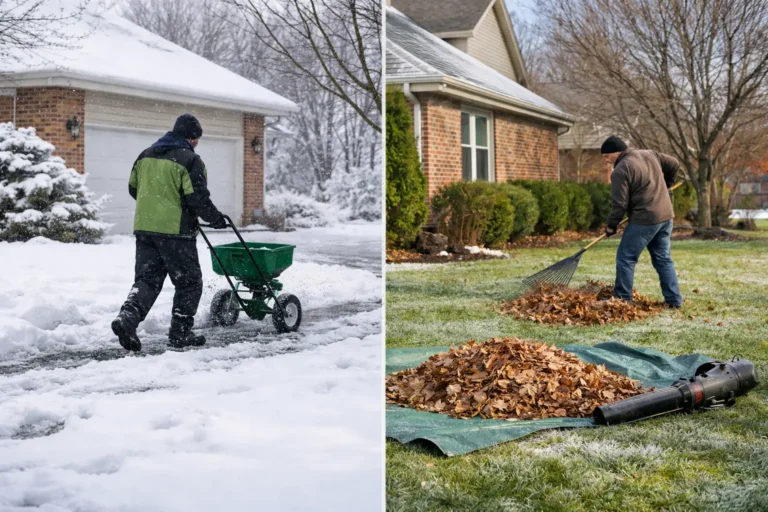
In Illinois, this matters because our weather does not give you one clean season of debris. Spring brings seed pods and heavy rain. Summer storms knock down twigs. Fall loads the system with leaves. Winter freezes whatever got left behind.
Homeowners are often told gutter guards mean they never have to think about gutters again. That is just not realistic. A better way to think about them is this: they cut down the mess and reduce the frequency of cleanouts, but they still need to be part of a working water management system.
When it is time to have a pro take a look
If your gutters overflow during rain, pull away from the fascia, or dump water near the foundation, it is worth having the whole setup checked. Sometimes the fix is cleaning debris off the guards. Sometimes it is clearing a downspout. In other cases, the gutter pitch, the outlet location, or the guard style itself needs to change.
That is especially true if your property already has drainage concerns. Gutter problems and yard drainage problems often show up together. Solving only one side of it may not fully protect the home.
For Chicagoland homeowners, a practical inspection can save a lot of guesswork. You want to know whether the guard is clogged, whether the gutter is undersized, whether the downspout discharge is causing trouble, or whether runoff is being sent to the wrong area of the yard.
Revive Your Lawn works with homeowners across the Chicago suburbs on both gutter protection and drainage issues, which is important because these problems are usually connected.
If you have been wondering whether gutter guards are supposed to look or act this way, trust what you are seeing. If water is overflowing, debris is piling up, or the ground below stays wet, the system needs attention before a nuisance turns into a bigger home exterior problem.