
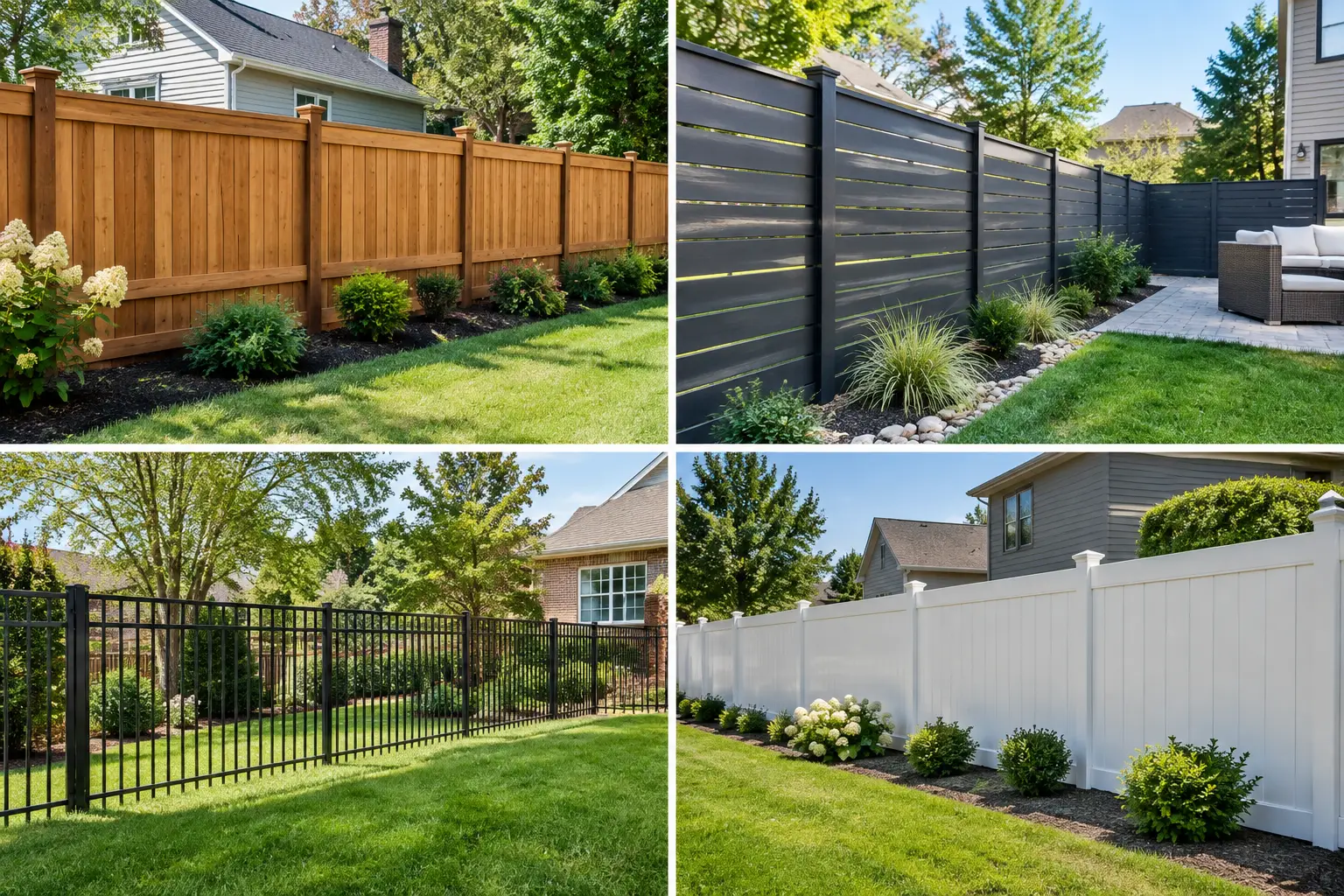
A privacy fence can change how you use your yard. It can block a busy street, create a quieter patio space, keep pets contained, and make neighboring homes feel a little farther away. But the best backyard privacy fence styles are not all built for the same job. For Chicagoland homeowners, the right choice also needs to handle wind, snow, summer heat, wet springs, and the day-to-day wear that comes with an active backyard.
Before picking a color or panel design, start with what you want the fence to do. Some homeowners need full screening around a patio. Others want a secure boundary for children or dogs without making the yard feel boxed in. A good fence should look nice, but it also needs to work for your property, your maintenance preferences, and local code requirements.
What Makes a Privacy Fence Work in Illinois?
In the Chicago suburbs, a fence has a tougher job than it might in a milder climate. Freeze-thaw cycles can move fence posts over time. Heavy rain can leave soil soft around the base. Strong storms and winter winds put pressure on long, solid fence runs. That is why post depth, drainage, material quality, and proper installation matter just as much as the style you choose.
This is where many homeowners run into trouble. They focus on the panel they like, but not on the structure holding it up. If posts are not set correctly or water is collecting along the fence line, even a good-looking fence can start leaning, sagging, or shifting earlier than it should.
You will also want to check village rules before making final decisions. Naperville-area homes, Downers Grove homeowners, and other western suburb communities may have different rules for fence height, placement, materials, and which side faces outward. Corner lots and homes near easements can have added restrictions. A quick check early in the process can prevent an expensive adjustment later.
Best Backyard Privacy Fence Styles to Consider
Classic wood privacy fencing
Wood remains one of the most popular choices because it looks natural and works with almost any Illinois home style. A standard solid wood fence uses vertical boards placed close together, usually with a flat or slightly detailed top. It provides strong privacy and can be stained or painted to match your home, deck, pergola, or landscape plan.
For many homeowners, cedar is a strong choice because it has natural resistance to decay and looks good with clear stain. Pressure-treated pine can be a practical option too, especially when you plan to paint or stain it. The trade-off is maintenance. Wood needs occasional cleaning, staining, or sealing to help it stand up to moisture and sun. Boards can also expand, shrink, or warp over time.
Wood is a good fit when appearance matters most and you do not mind giving the fence some regular care. It is especially nice around established landscaping because its warmer look blends well with trees, shrubs, paver patios, and garden beds.
Board-on-board wood fencing
Board-on-board fencing is a step up from a basic solid panel style. The boards overlap, so there are no straight gaps between them. That means better privacy from angled views and fewer obvious openings as the wood naturally moves through Illinois seasons.
This style has a finished look on both sides, which can be helpful when you share a property line with close neighbors. It also creates more depth and shadow than a flat panel fence. The downside is that it uses more material and can cost more than a standard wood privacy fence. Still, for a backyard that backs up to another home or a busy walking path, the added coverage can be worth it.
Shadowbox fencing
Shadowbox fencing alternates boards on each side of the rails. From straight on, it gives solid coverage, but it allows some light and airflow through at an angle. It also looks finished from both sides, which helps keep the peace between neighbors.
This style is a smart middle ground if you want a defined backyard without the closed-in feel of a fully solid fence. It will not block every sightline or every bit of sound, so it is not always the best answer for a yard facing a high-traffic road. But for many suburban lots, it provides enough separation while keeping the space lighter and more open.
Vinyl privacy fencing
Vinyl fencing gives homeowners a clean, uniform look with much less upkeep than wood. It will not need painting or staining, and a basic wash can remove most dirt, grass clippings, and pollen. White remains common, but tan, gray, and wood-look options can work well with newer homes and modern outdoor spaces.
Vinyl is a practical choice for busy families who want privacy without adding another seasonal project to the list. The main consideration is quality. Thinner vinyl panels can feel less sturdy, especially on long runs exposed to western winds. A properly built vinyl fence with strong posts and reinforced rails is a better long-term choice than a lightweight system that looks good only on day one.
Vinyl can also be less flexible visually than wood. If you want a custom stain color, an irregular property line solution, or a more traditional handcrafted look, wood may offer more options.
Composite privacy fencing
Composite fencing is often chosen for its modern appearance and low-maintenance appeal. It is made from a blend of recycled materials and plastic, often with horizontal boards that create a clean, contemporary look. Gray, brown, black, and natural wood-tone colors are common choices.
For homeowners investing in a new patio, landscape lighting, or a more polished backyard layout, composite can provide a strong visual backdrop. It does not need staining, and it is less likely to rot than wood. However, it generally costs more upfront and should be installed carefully so the frame and posts can handle seasonal movement.
This style makes sense when you want a fence that feels more like a finished exterior feature than a simple property divider. It pairs particularly well with modern pavers, black outdoor lighting fixtures, and structured planting beds.
Horizontal privacy fencing
Horizontal fencing can be built in wood, composite, or other engineered materials. Its long, clean lines make a small yard feel wider and give a backyard a more updated look. The spacing can be tight for full privacy or slightly open for a screen-like effect.
Because the boards run horizontally, this style needs strong support and careful installation. Long boards can show sagging or uneven spacing if the framework is not built correctly. In Illinois, where moisture and temperature swings are part of the deal, quality materials and solid posts matter even more.
Horizontal fencing is often best used as a feature wall around a patio, seating area, hot tub, or outdoor kitchen. It can also be used for the full yard when the home and landscape design support a more modern style.
Do You Need Full Privacy Everywhere?
Not always. A six-foot solid fence around every inch of the yard can feel secure, but it may also make a smaller lot feel closed in. Many homeowners get a better result by using full privacy where they need it most, such as behind a patio, along a side yard, or near a neighbor’s second-story window.
The rest of the boundary might use a more open fence style, landscaping, or both. Evergreen shrubs, ornamental trees, and layered planting beds can soften a fence line and improve privacy over time. Just remember to leave room for plants to mature and allow access for fence repairs. Planting a shrub directly against the fence may look fine at first, but it can trap moisture and make maintenance harder later.
A mixed approach can also make sense for drainage. You do not want water sitting near your foundation or getting trapped against the fence line. If a yard already has standing water, poor grading, or downspouts that dump into the lawn, solve those issues before adding new fencing and landscaping. A privacy project is a good time to look at the whole backyard instead of treating each issue separately.
Choose the Style That Fits Your Yard, Not Just the Photo
The best fence is the one that fits the way you actually live outside. If you want a classic, warm backyard with room for gardens and family gatherings, wood may be the right match. If weekend maintenance is already low on your list, vinyl or composite may make more sense. If you mainly need privacy around one outdoor living area, a horizontal screen or custom feature section may give you more value than fencing the entire lot.
Pay attention to gates, too. A gate should be wide enough for the equipment and access you need, especially if future landscape work, lawn service, or pool maintenance is part of the plan. It should also be placed where it is useful, not just where it was easiest to fit during installation.
For Chicagoland homeowners, it helps to work with someone who looks beyond the fence panels. At Revive Your Lawn, we consider how a fence will work with the grade, drainage, patio, landscaping, and long-term use of the yard. The goal is a backyard that feels private, looks clean, and still works well through every Illinois season.
A well-planned privacy fence should give you a reason to spend more time outside. Start with the views you want to block, the areas you want to enjoy, and the amount of upkeep you are comfortable with. From there, the right style becomes much easier to see.


