
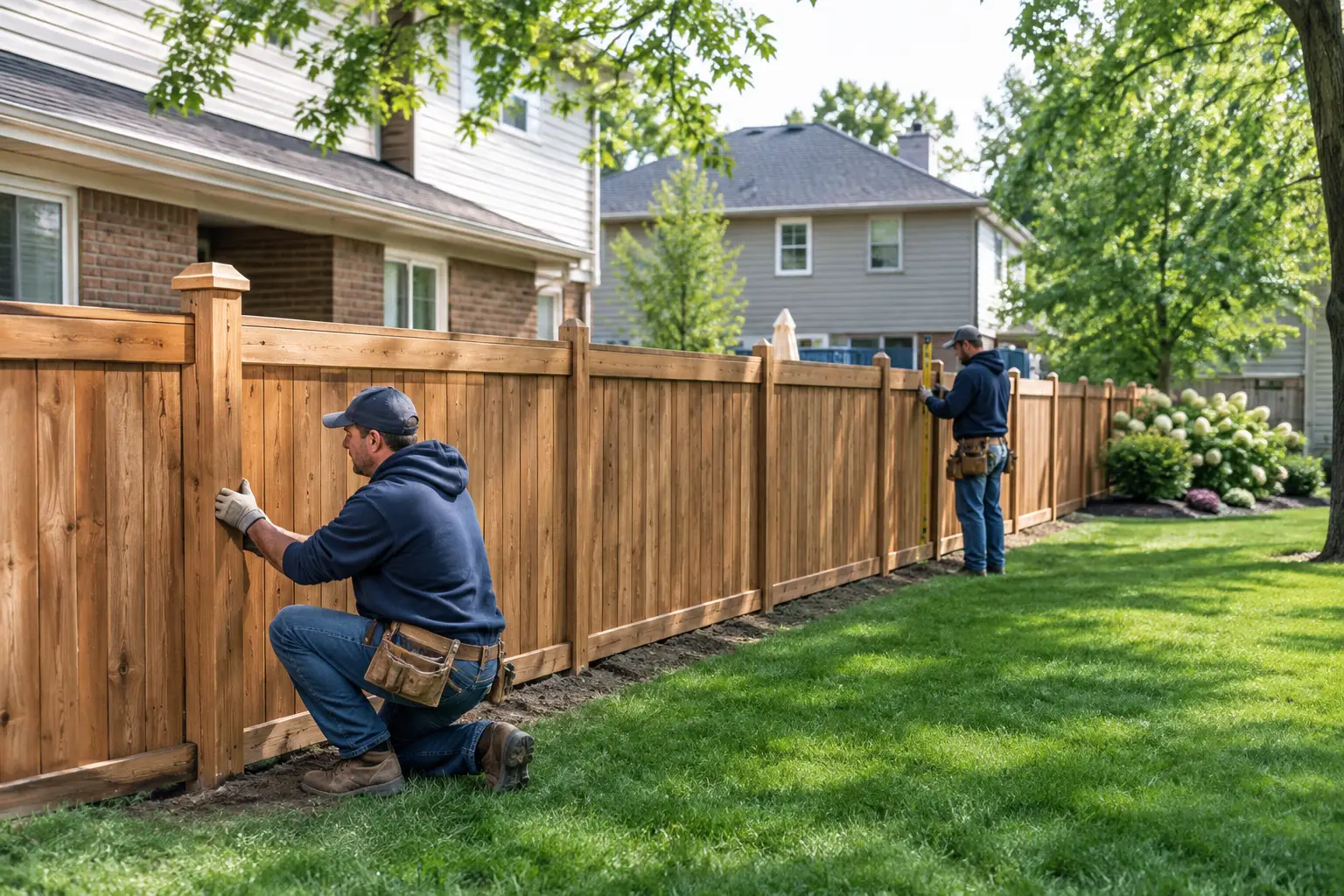
A new fence can make a yard feel finished overnight. It can give kids and dogs a safer place to play, add privacy from a close neighbor, and create a cleaner backdrop for a patio, garden, or outdoor lighting. But fence installation services are not just about setting posts and hanging panels. In the Chicago suburbs, the best results come from planning for property lines, grades, drainage, soil, and the way your family actually uses the yard.
A fence is a long-term part of your property. It should look good from the street and work well through wet springs, summer storms, freeze-thaw cycles, and snowy winters. Here is what homeowners should consider before moving ahead.
Start With the Reason You Need a Fence
Most homeowners start with one clear goal: privacy, containment, security, or curb appeal. That is a good place to begin, but it helps to get more specific during the planning stage.
For example, a solid privacy fence may make sense behind a patio or along a busy road. A more open ornamental aluminum fence can define the yard without blocking a view of a landscaped area. If you have a dog, gate placement, fence height, and the gap below the fence matter just as much as the material.
This is where many homeowners run into trouble. They choose a fence style based on a photo, then realize it does not work with the slope of the yard, the location of a deck, or the path needed for lawn equipment. A good plan looks at the full outdoor picture first.
Fence Installation Services Need a Site Plan
Before materials are ordered, the installer should walk the property and look at more than the perimeter. At Illinois homes, small details can affect the finished fence and how it holds up over time.
Property lines and local rules
Do not assume an existing fence, row of shrubs, or a neighbor’s landscaping marks the legal property line. A survey is the safest way to confirm where the fence belongs, especially when the new fence will sit close to the boundary. Installing on the wrong side can create an expensive and uncomfortable problem later.
Many Chicago suburbs also have rules about fence height, location, style, and gate placement. Corner lots may have visibility requirements near the street. Homeowners associations can have their own standards as well. Checking these details before the work begins is much easier than changing a completed fence.
Grade changes and drainage
Flat yards are straightforward. Sloped yards require more thought. A fence can follow the ground in a smooth line, or it can be stepped down in sections. The better choice depends on the amount of slope, the fence style, and whether you need to keep a pet contained.
Drainage matters too. You do not want water sitting near your foundation, and you do not want a new fence to interfere with the way water moves across the yard. Downspout outlets, swales, sump pump discharge lines, and low spots should all be identified before posts go in. If a backyard already stays muddy after rain, that is worth addressing as part of the larger outdoor plan rather than hiding it behind a fence.
Utilities and access
Posts require digging, so underground utility lines need to be located before installation. Access also affects the project. A narrow side yard, established landscaping, mature trees, or a tight gate opening may change how crews bring materials into the backyard and protect the surrounding lawn.
A clean crew will plan for these conditions instead of treating them as a surprise on installation day.
Choosing the Right Fence Material for Illinois Homes
There is no single best fence material for every property. The right choice depends on the look you want, the maintenance you are comfortable with, your privacy needs, and the conditions in your yard.
Wood fencing remains popular because it has a warm, natural look and works well for privacy. It can be built in different heights and styles, which gives homeowners flexibility. The trade-off is maintenance. Wood needs periodic attention to help it handle moisture, sun, and seasonal movement. Quality installation and proper spacing are especially important in Chicagoland weather.
Vinyl fencing offers a clean, uniform appearance and does not need staining or painting. It is a strong option for homeowners who want privacy with less routine upkeep. Still, vinyl is not automatically the right fit for every yard. Color choices and design options can be more limited, and proper installation matters because panels need room to respond to temperature changes.
Ornamental aluminum fencing is a great fit when you want to define a property line without closing off the view. It works well around gardens, pools where permitted, and homes with attractive landscaping or open green space behind them. It does not provide privacy on its own, but it can pair nicely with shrubs, trees, or a pergola area.
Chain link is practical for some applications, especially when containment is the main goal. Modern options can include darker finishes that blend into the landscape more easily than the traditional galvanized look. It is not the first choice for privacy, but privacy slats or planting can help depending on the property.
Details That Make a Fence Feel Finished
The fence itself is only part of the project. Gates are one of the biggest details to get right. A gate should be wide enough for how you use the yard, whether that means carrying out trash bins, moving a mower through, or getting patio furniture to the backyard. It should also swing in a direction that makes sense and latch securely.
Post depth and installation method matter more than most people realize. Illinois freeze-thaw cycles can move shallow or poorly set posts over time. A fence that looks straight on day one can begin to lean, bind at the gate, or develop uneven sections if the foundation of the installation was not handled carefully.
It also pays to think about how the fence meets the rest of the yard. A new privacy fence can frame a paver patio beautifully. Landscape lighting can make a gate and walkway safer at night. Shrubs and beds can soften a long fence line, while drainage work can protect the lawn around it. A good landscape should look nice, but it also needs to work.
What to Ask Before Hiring a Fence Contractor
A clear estimate should explain the basic scope: fence material and style, approximate layout, gates, post installation, removal of an existing fence if needed, and site conditions that could affect the work. You should also feel comfortable asking who will be on-site, how the crew protects the yard, and how questions will be handled if the plan needs an adjustment.
Look for a contractor who asks useful questions instead of rushing to quote a standard fence. Do you need privacy from one side or the whole yard? Is the ground wet near the back lot line? Are there drainage outlets, trees, or grade changes? Will the fence connect to a deck, garage, or existing structure? These questions show that the contractor is thinking beyond the panels.
For Downers Grove homeowners, Naperville-area homes, and properties throughout the western suburbs, local experience matters because lots vary widely. One yard may be flat and open. The next may have clay soil, a low rear corner, mature landscaping, and a tight side access path. The plan should fit the actual property.
Plan the Fence as Part of Your Outdoor Space
A fence does not have to be an isolated project. If you are considering a patio, drainage correction, landscape renovation, lighting, or a pergola, it is smart to discuss those plans early. Even if the work happens in phases, planning ahead can prevent a new fence from blocking access or conflicting with future improvements.
For example, a privacy fence may influence where you place a seating area. A gate can create a better path from the driveway to the backyard. A low area near the fence may need drainage work before new sod or landscaping goes in. Thinking through these connections can save rework and help the whole property feel intentional.
At Revive Your Lawn, we approach fences the same way we approach any exterior project: with a close look at how the space needs to function, clear communication, and respect for the property. The goal is not simply to add a boundary. It is to create an outdoor space that feels more private, useful, and complete.
If you are considering a fence, start with a walkthrough of the yard and an honest conversation about what is not working now. The right fence, placed the right way, can make everyday time outside feel a whole lot better.


