If you have ever cleaned out a gutter packed with wet maple seeds, soggy leaves, and roof grit, you have probably asked the same thing many Chicagoland homeowners ask us: do gutter guards work? The short answer is yes, they can help a lot. But they are not magic, and they are not the right fit for every house, every tree setup, or every drainage problem.
That is where many homeowners run into trouble. They hear the words “gutter guards” and picture never thinking about gutters again. In real life, a good guard system can reduce clogs, cut down on cleaning, and help water move where it is supposed to go. What it cannot do is fix bad gutter pitch, undersized downspouts, loose gutters, or drainage issues around the home.
Do gutter guards work the way people expect?
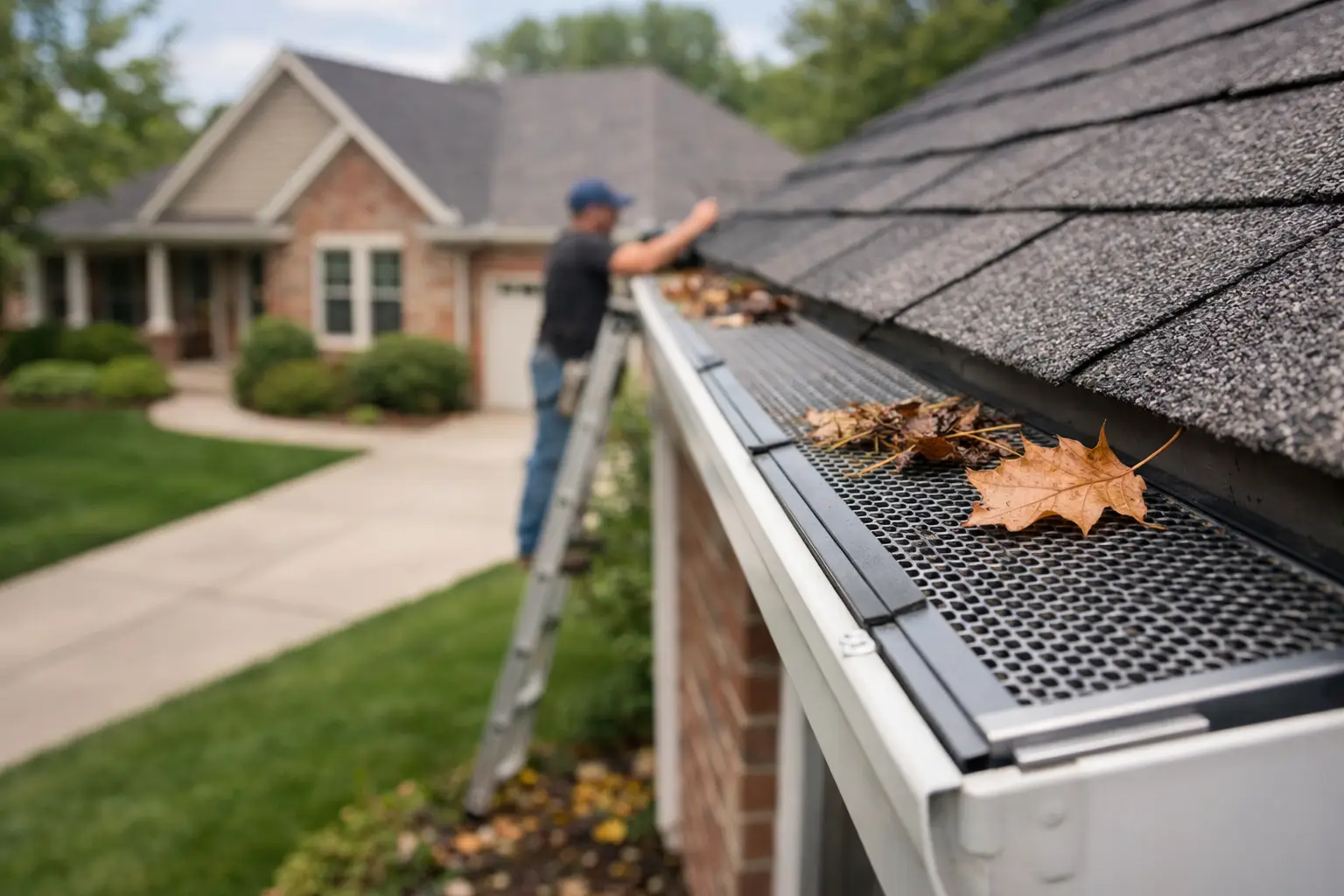
Usually, they work best when expectations are realistic. Gutter guards are designed to keep larger debris out of the gutter while letting water pass through. That means fewer leaves, fewer sticks, and less heavy buildup sitting inside the channel.
For many Illinois homes, that is a real improvement. In the Chicago suburbs, we deal with a mix of spring pollen, summer storms, fall leaves, and winter freeze-thaw cycles. Gutters take a beating here. A guard can help keep that system flowing better through the year, especially on homes surrounded by mature trees.
But here is the honest version: gutter guards reduce maintenance. They do not eliminate it. Fine debris can still collect on top of some guard styles. Small particles from shingles can still work their way in. And if a downspout is already backing up or the gutter is pitched wrong, a guard will not solve that.
What gutter guards do well
The biggest benefit is simple. They help keep bulk debris out of your gutters. If your home has oak, maple, or pine trees nearby, that matters. Without protection, debris builds up fast, traps moisture, and blocks the flow of water.
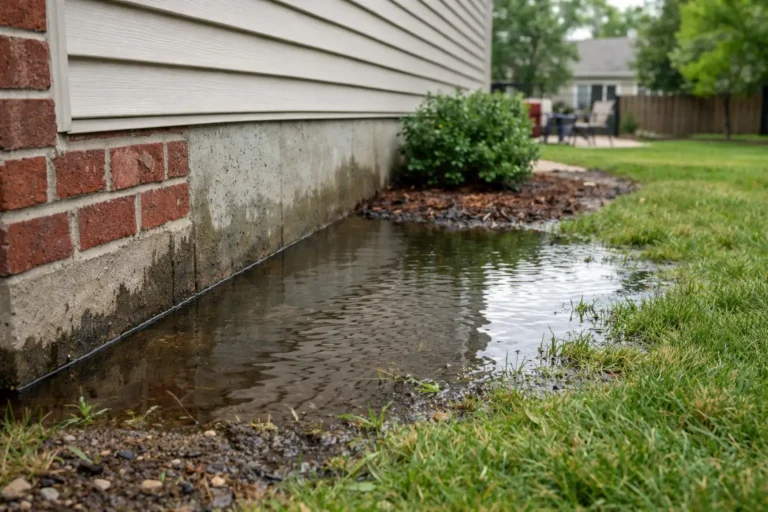
When water cannot move, it spills over the sides. That overflow can land right near your foundation, wash out mulch beds, stain siding, and make walkways slippery. In Illinois, this matters because heavy rains can hit hard and fast. You do not want water sitting near your foundation or dumping right next to the house because a gutter is clogged with leaves.
Gutter guards can also make routine maintenance safer and easier. You may still need an occasional checkup, but not the same level of digging, scooping, and rinsing several times a year. For busy families or homeowners who do not want to climb a ladder, that alone can make them worthwhile.
There is also a curb appeal benefit. Overflowing gutters tend to create messy roof edges, dirty streaks, and debris hanging out of the troughs. A cleaner system usually means a cleaner-looking home.
Where gutter guards fall short
This is the part that gets skipped in a lot of sales pitches. Gutter guards are not a cure-all.
If your gutters are too small for the amount of roof water your home collects, guards will not change that. If the gutters are loose, sagging, or pulling away from the fascia, guards will not fix the structure. If your downspouts empty into a bad spot in the yard, the water problem simply moves from the roof edge to the ground.
Some homes also deal with very fine debris. Pine needles, seed pods, helicopter seeds, and roof granules can be tricky depending on the guard type. Certain products handle large leaves well but struggle with smaller material. Others may shed debris better but can be more sensitive to installation quality.
Winter is another factor. In our area, ice can be part of the conversation. Guards are not a guaranteed fix for ice dams or frozen gutter edges. If a roof has poor ventilation or snowmelt is refreezing at the eaves, that is a different issue.
Do gutter guards work on every house?
No, and that is why a one-size-fits-all answer does not help much.
A ranch home with a few small trees in the yard may only need occasional gutter cleaning. A larger two-story home in the western suburbs with overhanging branches and multiple roof valleys may benefit a lot more from guards. Homes near heavy tree cover usually see the biggest payoff.
Roof design matters too. Steep roofs, long roof runs, and complicated valleys can send a lot of water and debris into certain sections of gutter. In those spots, the right guard can help, but the wrong one can create new headaches if it slows water entry or lets debris pile up on top.
This is why a proper look at the full system matters. You want to know how the water moves off the roof, where the debris comes from, whether the gutters are sized and sloped correctly, and what is happening at ground level after the water leaves the downspout.
The biggest mistake homeowners make
The biggest mistake is treating gutter guards like a stand-alone fix when the real problem is drainage.
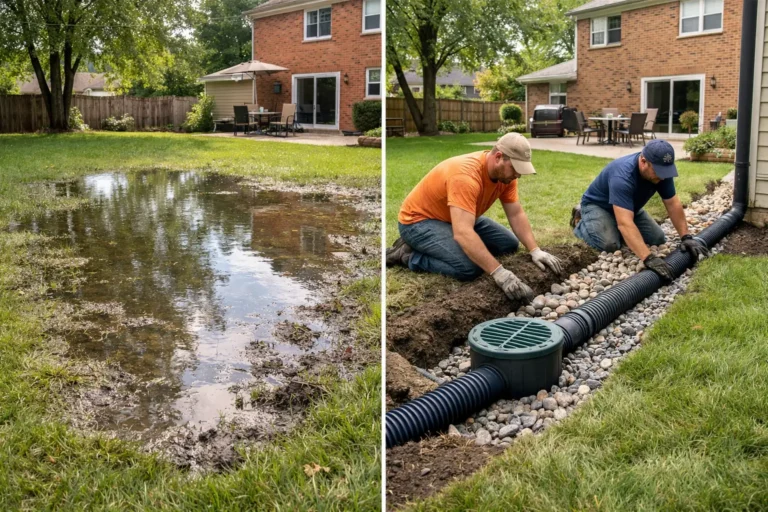
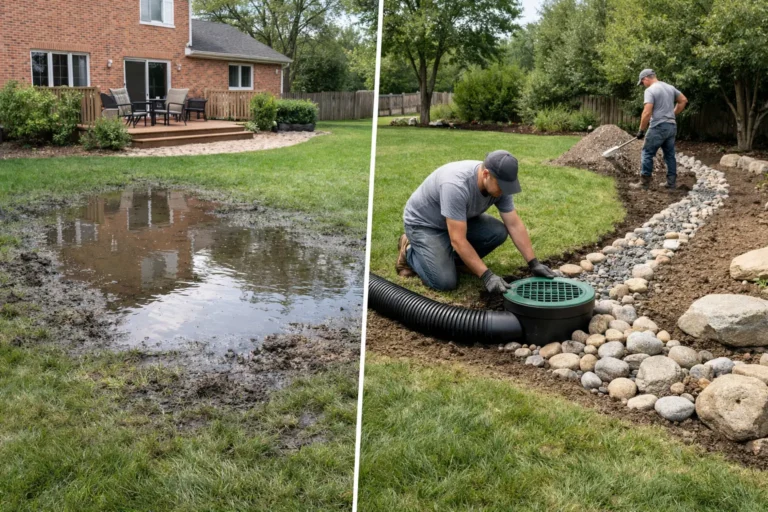
We see this around Naperville-area homes and other Chicago suburbs all the time. A homeowner is frustrated with overflowing gutters, so they start looking at guards. That makes sense. But if the overflow is happening because the downspout is clogged underground, the extension is too short, or the yard pitches back toward the house, the problem is bigger than the gutter opening.
A good landscape should look nice, but it also needs to work. The same goes for your gutter system. The roof edge, gutters, downspouts, drainage path, and grading all work together. If one part fails, water ends up where you do not want it.
That is why it helps to look at gutter protection as one piece of a larger exterior water management plan, not a shortcut.
How to tell if gutter guards are worth it for your home
Here’s what to look for. If you are cleaning gutters multiple times a year, if you have trees hanging over the roof, or if you regularly see water spilling over because of leaf buildup, guards are worth considering.
They also make sense when safe access is a concern. Two-story homes, steep rooflines, and hard-to-reach sections are not ideal spots for regular homeowner ladder work. In those cases, reducing how often the gutters need hands-on cleaning can be a practical upgrade.
On the other hand, if your gutters stay fairly clear and your real issue is water collecting at the base of the house, focus there first. You may need drainage improvements, downspout changes, or grading work more than a guard system.
What a good installation should include
The product matters, but installation matters just as much. Even a solid guard can underperform if it is installed over damaged gutters or attached without addressing pitch and support issues first.
A good setup starts with clean, sound gutters. The system should be checked for sagging sections, loose fasteners, and proper slope. Downspouts should be flowing freely. Water should have a clear place to go once it reaches the ground.
That is the practical difference between a quick add-on and a solution that actually helps. Homeowners are usually happier when the whole system is looked at instead of just snapping a cover on top and calling it done.
So, do gutter guards work?
Yes, when they are matched to the home and installed as part of a properly working gutter and drainage system. They can cut down on clogs, reduce maintenance, and help protect your home from overflow issues. For many homes in the Chicago suburbs, that is a smart investment.
But they are not maintenance-free, and they are not a replacement for good drainage planning. If your home has bigger water issues, the best move is to figure out where the problem really starts.
If you think your gutters are part of the problem, it helps to have someone look at the full picture – the roof edge, the gutter runs, the downspouts, and where the water ends up in the yard. That is usually where the real answer is. And once you know that, the next step gets a whole lot easier.