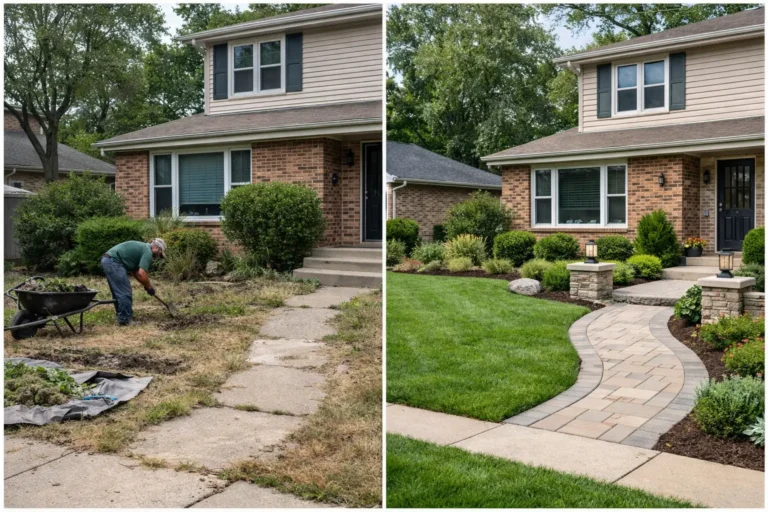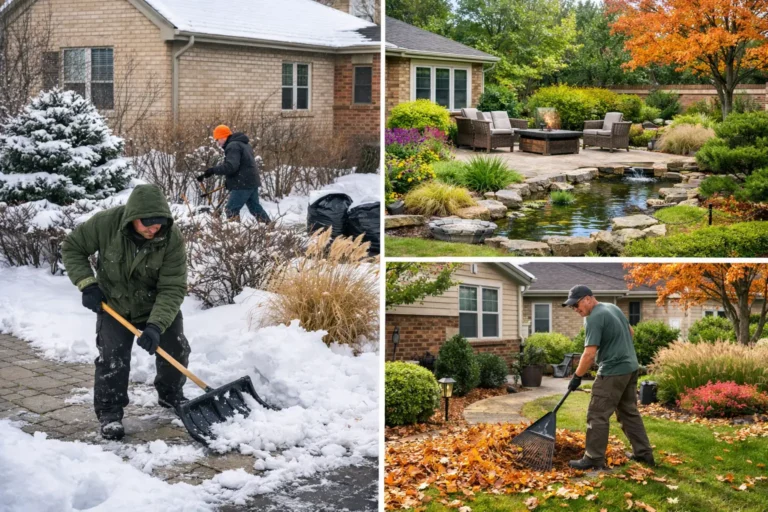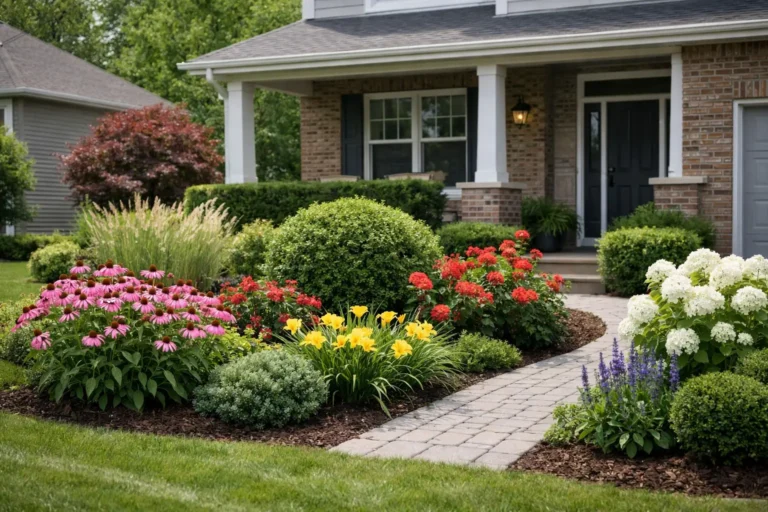
A sunny Saturday can make almost any backyard feel like it needs a place to sit outside. Then an Illinois thunderstorm rolls in, or the afternoon sun hits the patio table, and the real question comes up: pergola vs covered patio, which one will you actually use more? The answer depends on how you want the space to work, not just how it looks.
For Chicagoland homeowners, the roof structure over a patio needs to handle more than a few pretty summer evenings. It has to make sense through heat, rain, wind, falling leaves, and sometimes a heavy snow season. A good outdoor space should look nice, but it also needs to work for your family and your property.
Pergola vs Covered Patio: The Main Difference
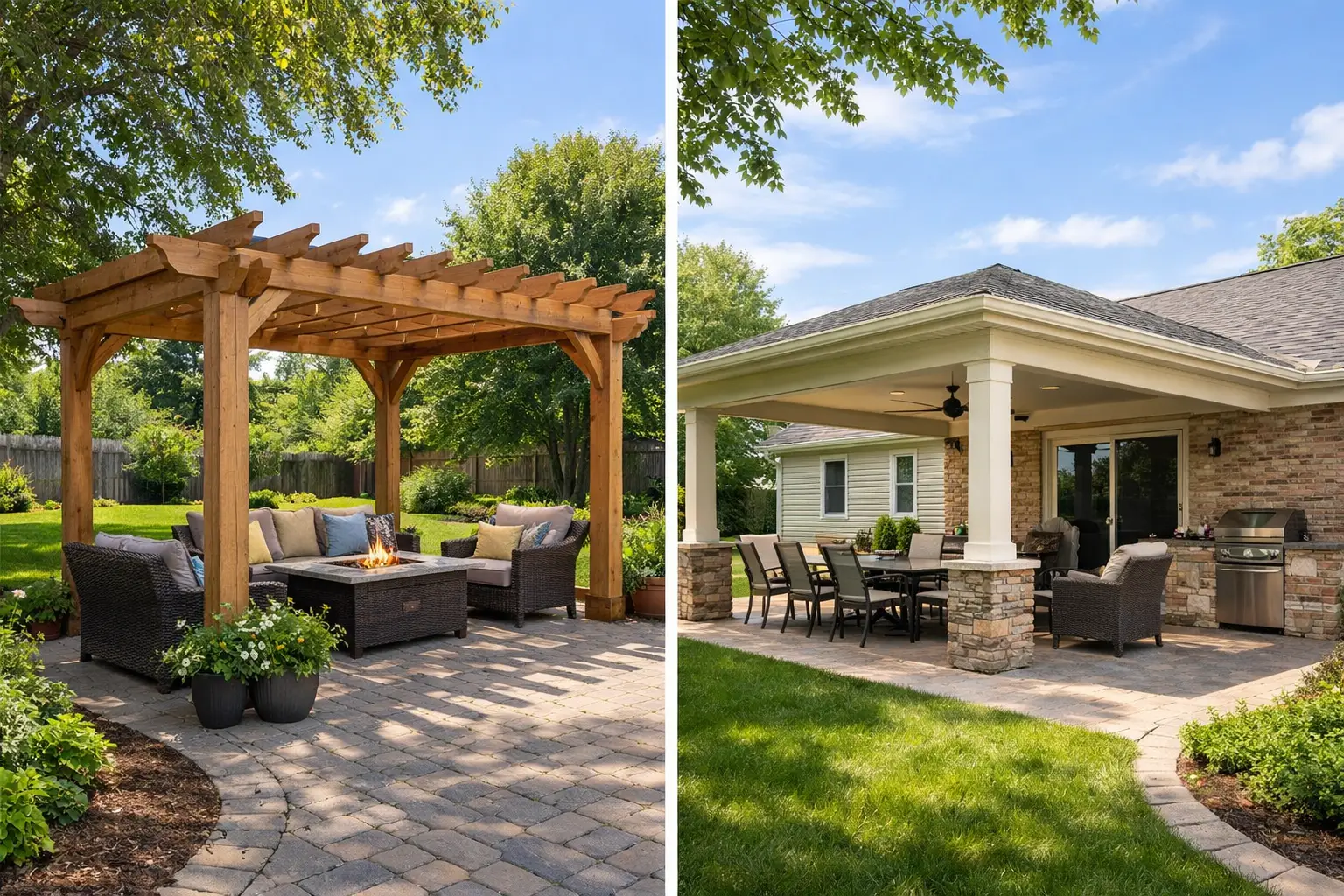
A pergola is an open outdoor structure with upright posts and overhead beams or slats. It creates definition, visual interest, and filtered shade, but it is not a solid roof. You can see light through the top, and rain can come through unless you add a canopy or another cover system.
A covered patio has a solid roof over the seating area. It may be attached to the house or built as a freestanding structure farther out in the yard. Because the roof is solid, it provides more dependable protection from rain and stronger sun.
That distinction drives nearly every other decision. A pergola is usually about atmosphere, partial shade, and making a patio feel like an outdoor room. A covered patio is about practical shelter and extending the amount of time you can use the space.
When a Pergola Makes More Sense
A pergola is often the right fit when your goal is to add character without making the yard feel closed in. It frames a paver patio, outdoor dining area, fire pit, or garden seating space while keeping an open-air feeling.
Many Naperville-area homes have backyards where the patio gets strong afternoon sun but still benefits from airflow. A pergola can cut some of that glare without blocking the sky or making the area feel dark. It also gives you a natural place to hang string lights, install low-voltage landscape lighting nearby, or add outdoor curtains for a little privacy.
Pergolas work especially well when the patio already has good drainage and enough room for furniture. They can also connect different parts of a landscape. For example, a pergola near a walkway can draw your eye from the house toward a seating area, outdoor kitchen, or garden bed.
What to expect from a pergola
The trade-off is simple: a pergola does not keep you dry in a steady rain. Some homeowners add retractable fabric shades, fixed panels, or louvered systems. Those features can increase shade and comfort, but they also add cost, maintenance, and design decisions.
In the Chicago suburbs, material matters. Wood has a warm, traditional look but needs regular attention to help protect it from moisture, sun, and seasonal temperature changes. Vinyl and aluminum can reduce upkeep, although they create a different look. The right choice should match the home, the patio, and how much maintenance you want to take on.
You will also want the structure sized correctly. A pergola that is too small can look like an afterthought. One that is too large can crowd the patio and make furniture placement awkward. During a yard walkthrough, it helps to think about how people will move through the area, not just where the posts will sit.
When a Covered Patio Is the Better Choice
Choose a covered patio if you want real protection from weather. This is the better option for homeowners who picture eating dinner outside during a light rain, keeping cushions and a grill area more protected, or sitting outdoors when the midday sun is strongest.
A solid roof can make a backyard much more useful from late spring into fall. Downers Grove homeowners with a west-facing yard often appreciate the relief from direct late-day sun. Families who host graduation parties, cookouts, and holiday gatherings also tend to get more practical use from a covered space.
A covered patio can be attached to your home for easy access from the kitchen or family room. It can also stand on its own if the best gathering spot is farther from the house. Either way, the design needs to consider roof height, drainage, existing landscaping, and how the structure will fit the home instead of looking tacked on.
Water management is part of the project
This is where many homeowners run into trouble. A solid roof collects rainwater, so that water has to go somewhere. You do not want water spilling next to the foundation, washing out a planting bed, or running across a walkway where it can create a slippery area.
Proper gutters, downspouts, and drainage planning are part of a well-built covered patio. Depending on the property, that may mean extending downspouts away from the house, connecting to an underground drainage solution, or reshaping nearby grading so water moves away from the patio and foundation.
In Illinois, this matters because freeze-thaw cycles and spring rains can expose weak drainage quickly. A beautiful patio is not much of an upgrade if it creates puddles, muddy edges, or water concerns near your home.
Compare Shade, Weather, and Year-Round Use
If shade is your main goal, either option can help. A covered patio provides the most consistent shade. A pergola provides softer, filtered shade, which many homeowners prefer for a garden-facing space or a patio that does not get intense sun all day.
If rain protection is a priority, a covered patio wins. Pergolas can be adapted with covers, but the more you try to make a pergola act like a roof, the more it makes sense to compare the cost and maintenance of a true covered structure.
Snow is another local consideration. A professionally designed covered patio needs to account for snow load, roof pitch, and proper support. A pergola also needs a solid build, but its open top does not collect snow the way a solid roof does. Do not assume every decorative structure is ready for a Chicagoland winter. The design and installation details matter.
Think About the Patio Below It
The overhead structure gets attention, but the patio underneath deserves the same planning. Pavers, natural stone, and concrete all have different looks, budgets, and maintenance needs. More importantly, the base needs to be installed correctly so it drains properly and holds up through seasonal movement.
Before adding a pergola or roof, look for existing problems. Does water sit on the patio after rain? Are pavers sinking near the edge? Does the grade send water toward the house? Are tree roots or mature shrubs limiting where posts can go? Fixing those issues first is usually smarter than building over them.
This is also a good time to think through lighting. Soft lighting under a pergola can make a dinner area feel inviting. A covered patio may allow for overhead fixtures, while path lights can make the walk from the house safer. The best lighting plan helps people use the yard after sunset without turning it into a bright parking lot.
Appearance, Privacy, and Maintenance
A pergola has a lighter visual footprint. It can complement a traditional home in Hinsdale, a newer build in Plainfield, or a smaller backyard that would feel crowded under a full roof. Vines can soften the structure, although they need pruning and can add weight or hold moisture against certain materials.
A covered patio has more presence. Done well, it can feel like a natural extension of the house and create a more finished outdoor living area. It may also offer more privacy when paired with a fence, landscape screening, or side panels. But it can block views and reduce daylight inside the home if it is poorly placed.
Maintenance is usually lower with a durable covered roof and finished gutter system than with wood pergola materials, but neither option is truly maintenance-free. Leaves need to be cleared, gutters need attention, hardware should be checked, and any wood needs routine care. Planning for upkeep keeps the structure looking good longer.
How to Make the Right Choice for Your Illinois Home
Start by thinking about your everyday use, not just the first backyard party. If you mainly want a beautiful, open place for morning coffee, evening drinks, and string lights, a pergola may give you exactly what you need. If you want dependable shelter for meals, kids’ activities, and entertaining when the weather is less cooperative, a covered patio is likely worth considering.
Next, look at the site. Sun direction, drainage, house layout, patio condition, and available space all affect the answer. A small, shaded yard may not need a full roof. A large patio with western exposure may benefit from one. There is no single right choice for every home.
For homeowners across the western suburbs, the best projects bring the whole yard together: a patio that drains correctly, a structure that fits the home, lighting that adds safety, and landscaping that frames the space without creating extra headaches. Revive Your Lawn can help you look at those details as one plan, so the finished backyard is a place you are glad to use whenever the Illinois weather gives you the chance.