A permanent lighting system has to do more than look good for a week in December. It needs to fit the home, handle Illinois weather, and be simple enough that you actually use it all year. In this Trimlight lighting system review, we will look at what homeowners in the Chicago suburbs can realistically expect, where the system shines, and what to consider before moving forward.
For many families, the biggest appeal is easy holiday lighting without climbing a ladder in cold weather. But permanent lighting can also make a home feel safer, more polished, and more welcoming on regular evenings. The right setup can highlight rooflines, walkways, patios, and outdoor gathering spaces without making the house look like it is decorated for a holiday every night.
What Is the Trimlight Lighting System?
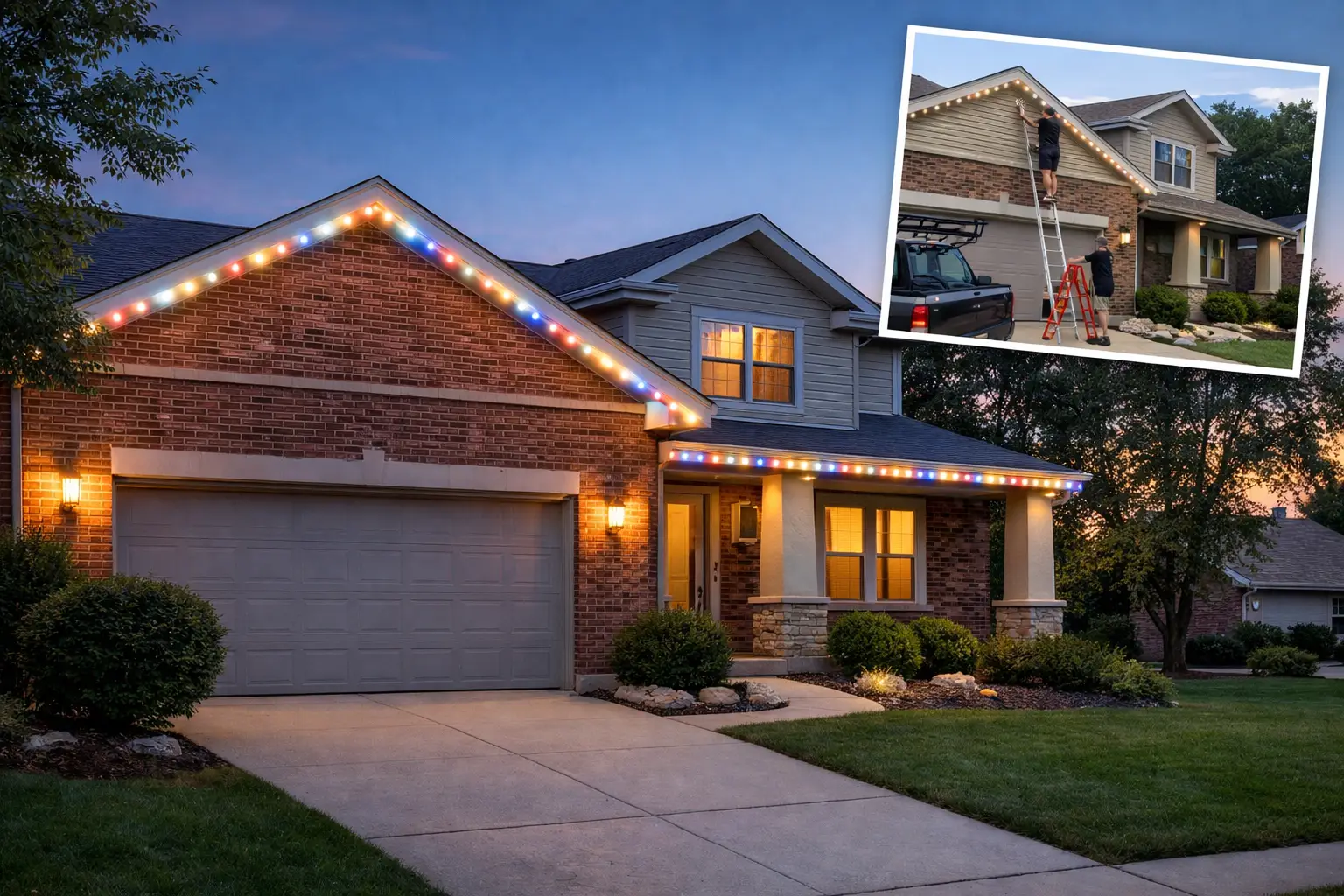
Trimlight is a permanent exterior LED lighting system installed along a home’s fascia, soffits, or trim. The lights are designed to blend into the roofline when they are turned off. When they are on, homeowners can use an app to choose colors, patterns, brightness, and schedules for holidays, game days, family events, or everyday accent lighting.
That hidden appearance is a major reason homeowners consider it. Traditional holiday lights bring cords, clips, loose bulbs, storage bins, and the yearly question of who is getting on the ladder. A permanent system replaces that routine with lights that stay in place and are controlled from a phone or tablet.
The lights can be set to a warm white for a cleaner everyday look, then changed for Christmas, Halloween, the Fourth of July, birthdays, or other occasions. The exact look depends on the layout and programming, which is why the installation plan matters just as much as the equipment.
Trimlight Lighting System Review: The Real Benefits
The most obvious benefit is convenience. Chicagoland homeowners know that putting up holiday lights can mean working around snow, ice, wind, and early winter sunsets. With permanent lighting, the physical setup is already done. You choose the schedule and turn it on when you want it.
There is also a safety benefit. Fewer trips up and down a ladder means less chance of a fall, and fewer extension cords around the property can help keep walkways and entry areas cleaner. This is especially helpful for busy families and homeowners who are tired of handling a large lighting project every season.
A well-planned system improves curb appeal without taking over the front of the home. Soft warm-white lighting can add a finished look to a brick home in Hinsdale, a newer Naperville-area home, or a traditional home in Downers Grove. For parties or holidays, the same roofline can become colorful and fun in a few taps.
Scheduling is another practical feature. Instead of remembering to turn lights on at dusk and off before bed, you can build a routine around your household. That can be useful when you are away for a weekend, hosting guests, or simply want the home to look occupied in the evening.
Where Homeowners Need to Be Realistic
Permanent lighting is not the best fit for every home or every goal. It is an investment in appearance, convenience, and safety, not a replacement for every kind of outdoor lighting.
For example, roofline lighting is great for architectural accent and holiday displays, but it does not replace pathway lights near a dark front walk. If you have steps, uneven pavers, a long driveway, or a patio that gets used after dark, you may still benefit from landscape lighting placed lower to the ground. A good exterior lighting plan should help people see where they are walking, not just make the roofline glow.
The system also needs to be installed carefully. The goal is for the track to look straight, match the home as closely as possible, and sit in a location where the light casts evenly. Crooked runs, sloppy wire management, or a poor color match can stand out during the day. This is where many homeowners run into trouble when they focus only on the lights themselves and not on the installer’s planning and finish work.
Brightness deserves some thought too. More brightness is not always better. On a tightly spaced street, very bright colors or fast-moving patterns can feel harsh to neighbors. Most homeowners get the best everyday result from a lower setting, warm white tones, and simple patterns. Save the bigger color shows for holidays and special occasions.
How It Holds Up in Illinois Weather
In Illinois, this matters because exterior products deal with all four seasons. We get humid summer storms, falling leaves, heavy snow, freeze-thaw cycles, and cold stretches that can expose weak installation work.
A permanent lighting system is built for outdoor use, but its long-term appearance still depends on sound installation. The track needs to be secured properly, wiring needs to be protected and neatly routed, and the electrical connection should be planned for the home instead of treated as an afterthought. The roofline also needs to be assessed for access, existing trim condition, and obstructions such as gutters or architectural details.
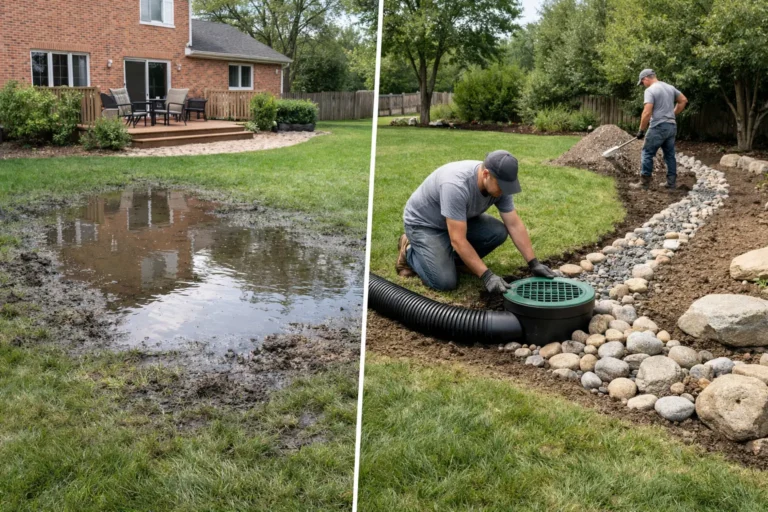
Before any lighting project, it makes sense to look at the rest of the exterior. Loose gutters, rotted fascia, damaged soffits, or drainage that splashes water against the house should be addressed first. A good landscape should look nice, but it also needs to work. The same goes for lighting. It should be installed on a sound exterior, not used to cover up a maintenance issue.
Snow itself is usually not the biggest concern because the lighting is mounted up under the roofline. The more important issue is making sure every component is installed securely and that the system is tested before the season changes. A local installer who works around Chicago-area homes understands why that extra attention is worth it.
What Installation Should Look Like
A quality Trimlight installation begins with a walkthrough, not a quick guess from the driveway. The installer should look at the front elevation, side returns, garage lines, peaks, soffits, and places where wire routing will be needed. They should also ask how you plan to use the lights.
Some homeowners want a clean, warm-white look most of the year with holiday options available when needed. Others want more active displays for celebrations and neighborhood events. Both are reasonable, but the programming and layout should support the way you will actually use the system.
Color matching the track to the fascia or soffit is a small detail that makes a big difference. During the day, the system should not distract from the home’s design. At night, the spacing should create consistent light instead of obvious dark gaps or hot spots.
It is also worth asking where the controller and power source will be located. You want an accessible, protected spot that makes sense for your home and does not create an eyesore. Clear communication here prevents surprises later.
Questions to Ask Before You Choose Permanent Lighting
Before approving an estimate, ask what portions of the home will be included and what will be left unlit. A front-only design can be a good fit for some homes, while others look more balanced with lighting carried around visible side elevations or a backyard entertaining area.
Ask how the system will blend with your trim, how wires will be handled, and what the app allows you to control. You should also ask about service if a section needs attention down the road. Permanent lighting is meant to remove hassle, so it is fair to understand who will help if you need support.
If you live in an HOA community, check the rules before installation. Most associations are more comfortable with lights that stay discreet when turned off, but it is still smart to confirm any limits on color, brightness, operating hours, or seasonal displays.
Finally, consider the bigger exterior picture. If the front entrance is dark, the driveway needs safer visibility, or your landscaping disappears at night, combining roofline lighting with a thoughtful landscape lighting plan may give you a better result than treating each area separately.
Is Trimlight Worth It for a Chicagoland Home?
For homeowners who put up holiday lights every year, want a more polished exterior, or would rather avoid ladders and storage bins, Trimlight can be a very practical choice. It gives you flexibility that standard holiday lights cannot match and keeps the home ready for any season or event.
The value comes down to the quality of the design and installation. A system that fits the home, stays subtle in daylight, and is programmed for everyday use can feel like a natural part of the property. A system installed without planning can feel too bright, too busy, or unfinished.
At Revive Your Lawn, we look at lighting the same way we look at drainage, landscaping, and hardscaping: it should solve a real need while making the property look better. If permanent lighting is on your list, start with a walkthrough of your roofline, entry areas, and how you use the outside of your home. The best plan is the one that makes your evenings easier and your home feel like yours in every season.