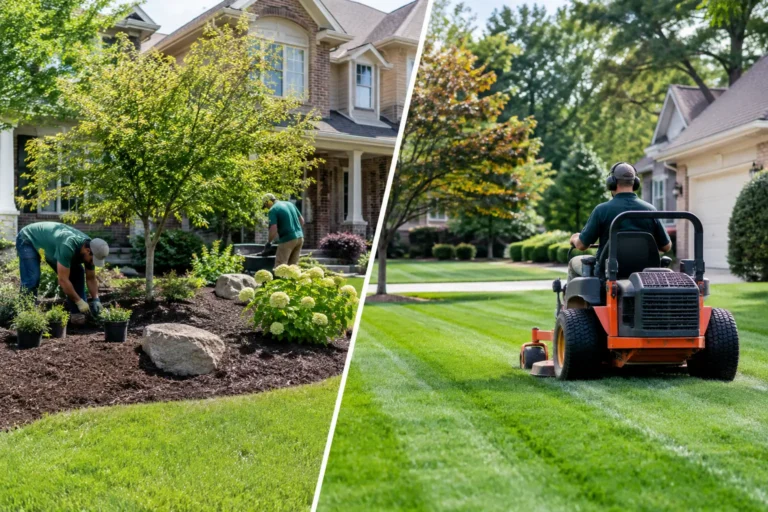
A brown, thin lawn can make an otherwise well-kept home look tired. Fresh sod changes that fast, but the calendar matters. Homeowners often ask us when should sod be installed in the Chicago suburbs, especially after a rough winter, a drainage project, or a landscape renovation. The short answer is spring or early fall. The better answer depends on your yard, the weather, and whether the soil is truly ready.
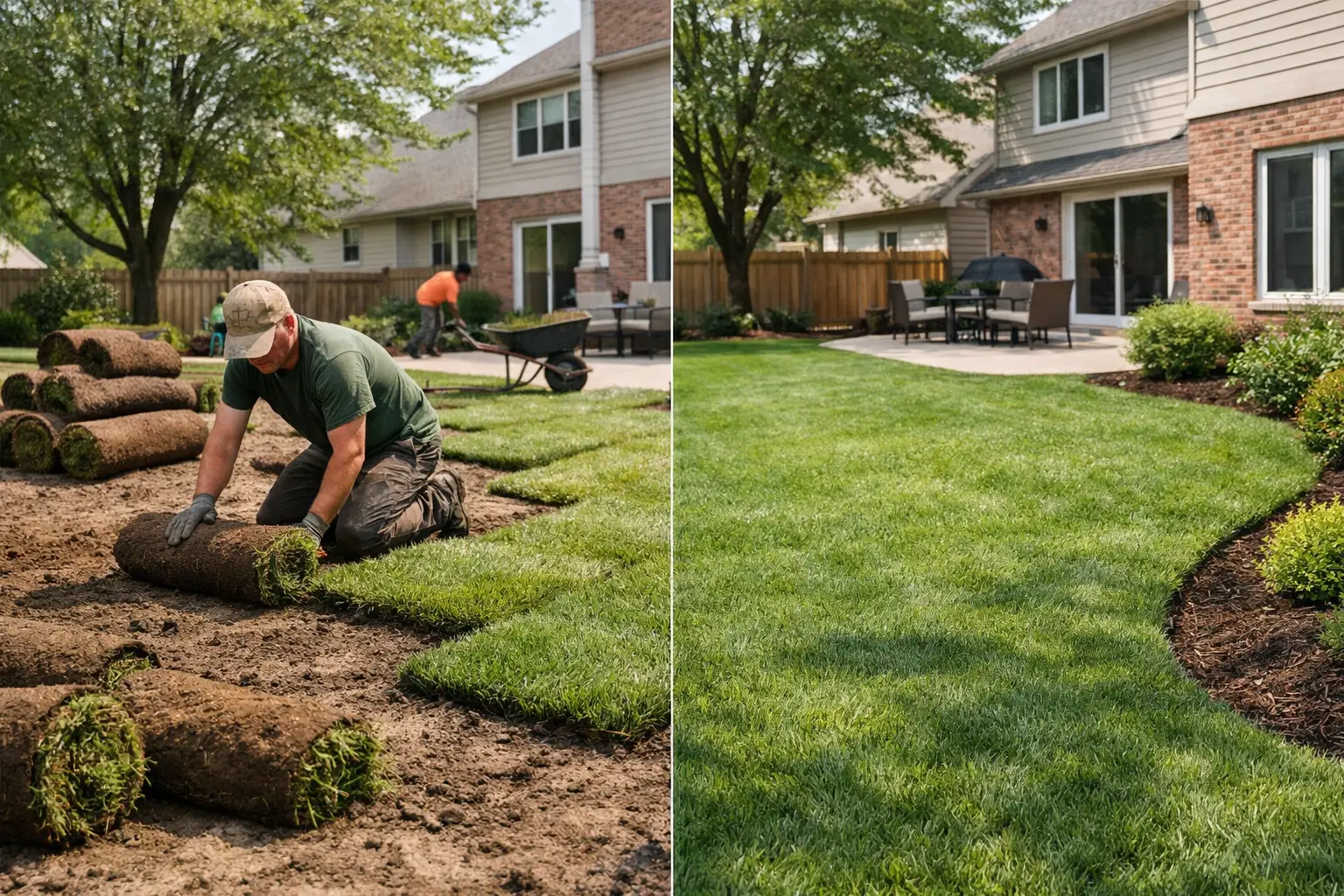
Sod is living grass with a root system that needs to connect with the soil below it. If it goes down at the wrong time or over poorly prepared ground, it may look green for a few weeks and then struggle once the weather turns. A good sod installation should give you better curb appeal now and a lawn that holds up later.
When should sod be installed in Illinois?
For most Chicagoland homeowners, the best sod-installation windows are mid-spring and early fall. In a typical year, that means late April through early June, then late August through early October.
Spring works well because the ground has thawed, daytime temperatures are mild, and grass has time to establish before summer heat arrives. It is a popular time for Naperville-area homes coming out of winter with damaged turf, bare areas, or construction messes. The trade-off is that spring weather can be wet. If the soil is muddy or soft enough to leave deep footprints, installing sod too soon can compact the ground and create an uneven lawn.
Early fall is often the strongest overall option. The soil is still warm from summer, which encourages roots to grow, while cooler air puts less stress on the new grass. Weed pressure is usually lower, too. For Downers Grove homeowners, Hinsdale properties, and yards throughout the western suburbs, fall sod gives the lawn time to settle in before winter dormancy.
That does not mean summer installation is impossible. It simply requires more attention. New sod installed during a hot July stretch needs careful watering and close monitoring, especially on sunny slopes or along heat-reflecting driveways and patios. If a project cannot wait until fall, we plan for the conditions rather than pretending every season works the same.
The weather matters more than the date
A date on the calendar is useful, but Illinois weather gets the final say. One April can feel like March. One September can feel like August. Before sod goes down, we look for soil that is workable, not frozen, not saturated, and not powder-dry.
Mild, cloudy days are ideal because the sod is less likely to dry out while it is being installed. A little rain after installation can help, but heavy rain is another story. Water can wash soil out of low spots, shift freshly laid pieces, and leave the yard too soft to work properly.
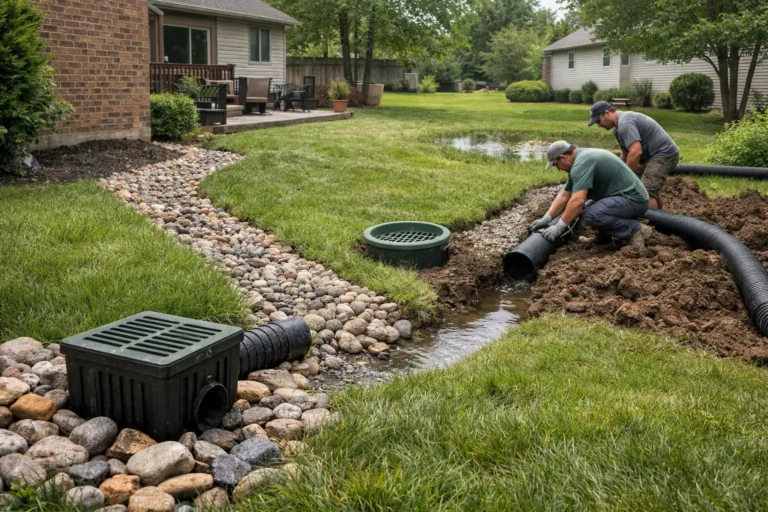
Here is what to look for: the ground should break apart in your hand instead of forming a sticky mud ball, and water should not be sitting in puddles across the lawn. If water regularly collects near the foundation, at the bottom of a slope, or beside a patio, solve that issue before installing sod. You do not want water sitting near your foundation, and you do not want to cover a drainage problem with expensive new grass.
Why site preparation makes or breaks new sod
Many homeowners think sod is simply rolled out over an existing yard. This is where many lawns run into trouble. Sod needs loose, level, healthy soil underneath it so the roots can grow down and take hold.
A proper installation starts by removing worn-out turf, weeds, rocks, and leftover construction debris. The area is then graded so water moves away from the home and does not settle in low areas. Depending on the yard, we may add and blend quality topsoil to improve the growing surface.
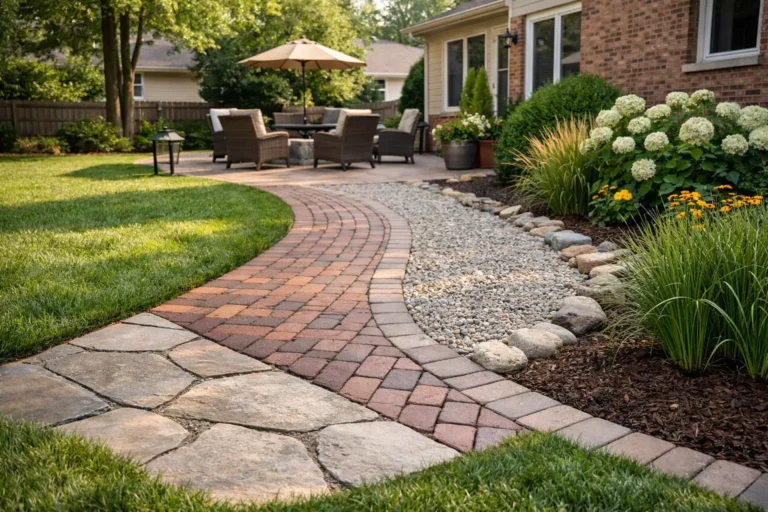
Grading is not just about making the lawn look smooth. A good landscape should look nice, but it also needs to work. The lawn should meet walkways, driveways, and patios at the right height. It should not block drainage paths or create a lip that sends water toward a garage or foundation. On many Illinois homes, those details matter just as much as the grass itself.
If your old lawn failed because of shade, compacted clay, poor drainage, or heavy foot traffic, new sod alone may not fix the cause. For example, a shady strip between homes may need a grass variety that handles less sun. A muddy backyard may need drainage work before the final grading and sod. Taking care of the full problem upfront saves a lot of frustration later.
Spring sod: a great choice with a short runway
Spring sod can give your property a major reset before summer gatherings, graduation parties, and patio season. It is especially useful after a hardscape project, fence installation, or winter damage that left bare soil behind.
The catch is that spring-installed sod has to establish before summer heat and dry spells arrive. That means consistent watering is not optional. The sod should stay moist as roots begin to knit into the soil, but it should not sit in standing water. After the first couple of weeks, the watering schedule gradually shifts from frequent light watering to deeper watering that encourages roots to grow downward.
Spring is also a busy season for outdoor projects across Chicagoland. If you are planning a larger project with drainage improvements, landscape beds, a patio, or lighting, it helps to think through the order of work. Sod should usually be one of the final steps, after equipment has finished crossing the yard.
Fall sod: often the easiest time to establish a lawn
Early fall gives new sod a better balance of warm soil, cooler air, and more dependable moisture. It also gives homeowners a chance to repair summer damage before the lawn goes dormant.
For many families, fall is easier from a practical standpoint. The lawn has fewer summer events, children may be spending less time running through the backyard, and the cooler weather makes it more comfortable to stay on top of watering. You still need to keep foot traffic light while the sod roots in, but the process often feels less demanding than it does in July.
Do not wait too long, though. Sod installed very late in fall may survive, but it has less time to develop roots before the ground freezes. An early October installation can work well in the right conditions. A late November installation is much more dependent on the weather and is not the same low-risk choice.
Can sod be installed in summer or late fall?
Yes, but these are more conditional seasons. Summer sod can be successful when the site is prepared correctly and watering is managed closely. Fresh sod dries out fast in high heat, particularly around south-facing front yards, curbs, and concrete surfaces. If watering will be difficult because of travel or a busy schedule, waiting for a better window may be the smarter move.
Late-fall sod is sometimes used to finish a project before winter, but it should not be treated as a shortcut. The sod may stay green briefly, then go dormant. Root growth slows as temperatures drop, so it needs enough time and appropriate moisture to make contact with the soil. We assess late-season projects individually rather than giving every yard the same recommendation.
Winter installation is generally not practical in the Chicago area. Frozen ground, snow cover, and unpredictable thawing conditions do not give sod what it needs to establish.
What to expect after sod is installed
New sod needs attention during its first several weeks. Watering is the biggest job, but there are a few other things homeowners should plan around. Keep pets, kids, lawn games, and heavy foot traffic off the new grass as much as possible. Wait to mow until the sod is rooted and the grass has grown enough to be cut without pulling at the seams.
You may see small gaps or uneven edges as the sod settles. That is normal early on, especially through changing weather. What is not normal is sod that turns gray-blue, feels dry and crispy, or stays squishy and saturated for days. Those are signs to adjust watering or look more closely at site drainage.
A new lawn also benefits from a sensible long-term care plan. Core aeration, proper mowing height, seasonal cleanup, and drainage maintenance all play a role in keeping the lawn healthy. The goal is not just a green yard for one season. It is a cleaner-looking, more usable property that supports the rest of your outdoor space.
Plan sod around the whole yard, not just the bare spot
The best time for sod is when the ground is ready, the forecast is reasonable, and the issues underneath have been addressed. For most Illinois homes, that points to spring or early fall. But if standing water, a failing grade, shade, or a larger landscape project is part of the picture, timing should follow the solution.
At Revive Your Lawn, we look at how the whole property works before recommending the next step. A fresh lawn should feel like the finishing touch to a yard you can enjoy, not a temporary cover for a problem that is still waiting underneath.